What we’ve learned
The history of the DEVORA Programme was summarised in a USGS Professional paper in 2026, much of the content of this page comes from that paper.
The precise locations and eruption styles of the 53 known volcanic centres are now known, and a focused radiometric and tephrochronological dating program has enabled us to place 48 of the 53 centres in relative order of eruption.
We know that the relative likelihood of explosive versus extrusive eruption styles changes across the city depending on environmental conditions (seawater, hard rock, partially saturated ground, and so forth), and knowledge of likely hazard footprints in the event of an eruption has led to recommendations for evacuation planning.
Capability building
Since its inception, DEVORA has directly or indirectly supported more than 100 researchers, students, practitioners, and research assistants across more than 10 institutions, including government agencies and overseas universities.
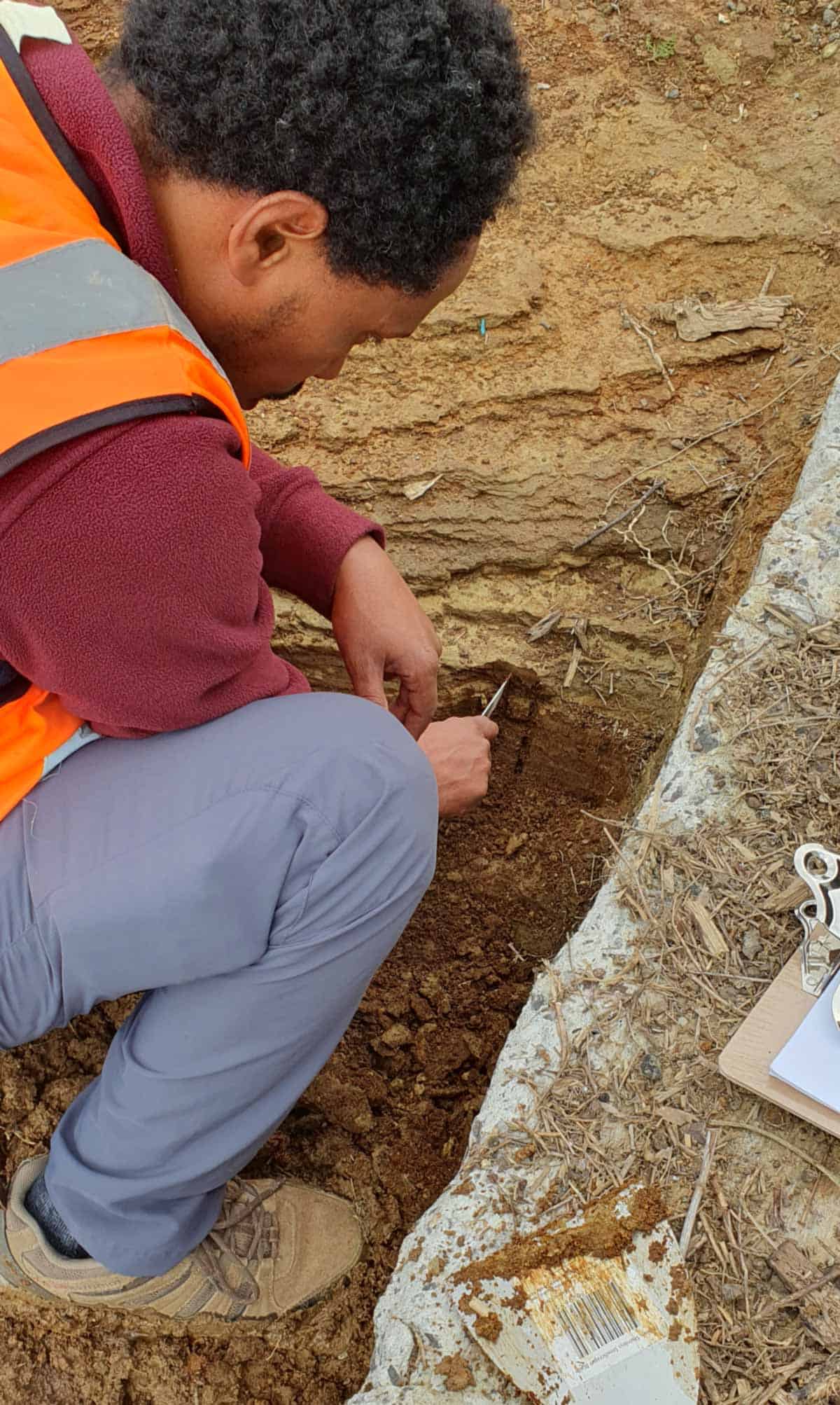
Postgraduate student research projects are considered flagship products within DEVORA and the early-career research assistants as the invaluable glue that holds the entire program together. As of July 2026, DEVORA has funded or co-funded more than 50 students at various universities at the doctoral, masters, and honours levels since its creation. Current and past doctoral students total 30, 17 of whom are female (60 percent). DEVORA’s first Māori doctoral student was recruited in 2023.