
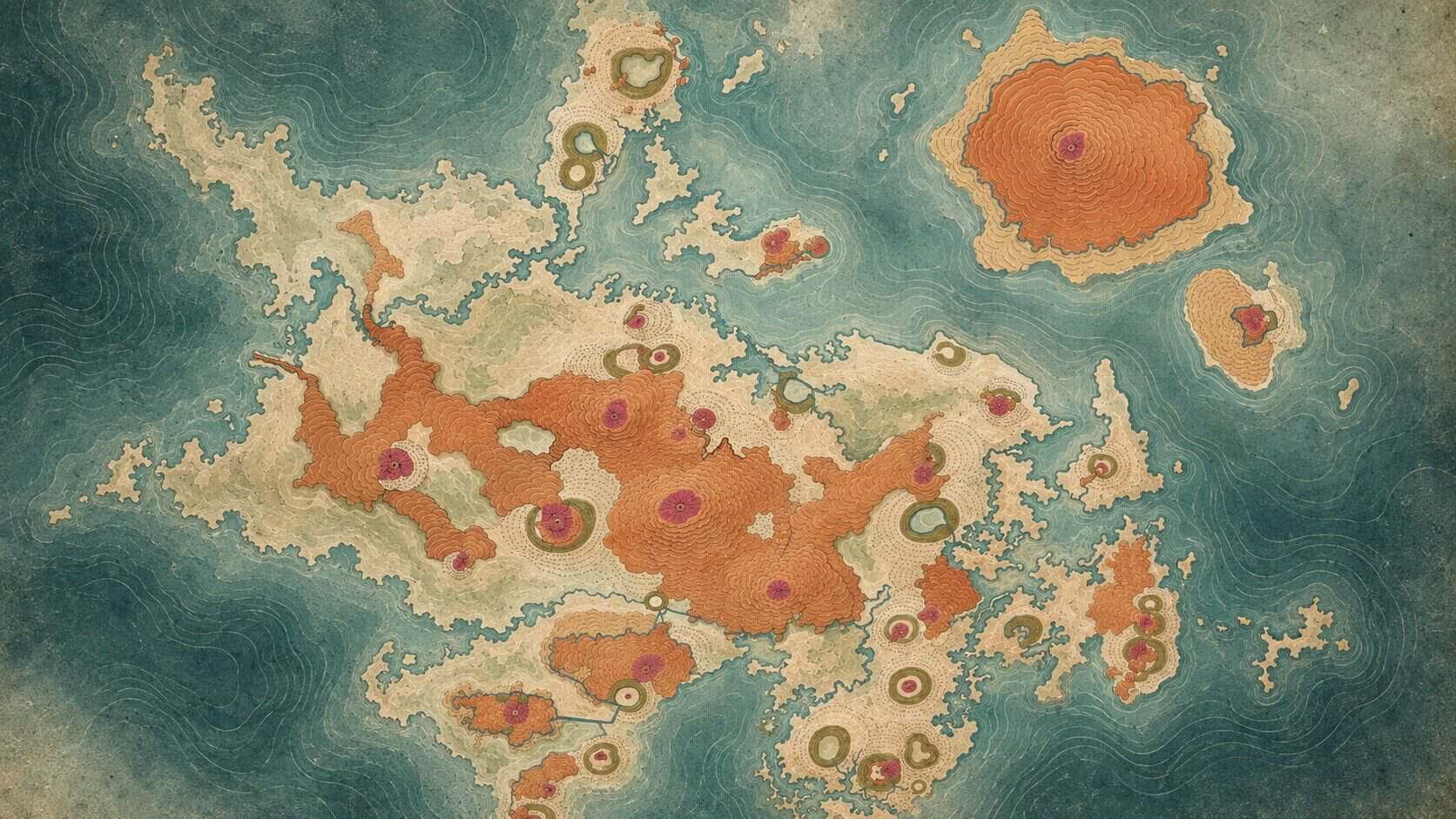
Although an eruption is unlikely in your lifetime, it is important to be aware of the possible hazards. There are many types of volcanic hazards that we might experience in Tāmaki Makaurau Auckland. In an eruption, multiple hazards are likely to occur at the same time.
Note: There are many people and assets EXPOSED to the next Auckland Volcanic Field eruption, but it will likely IMPACT only a fraction of them.
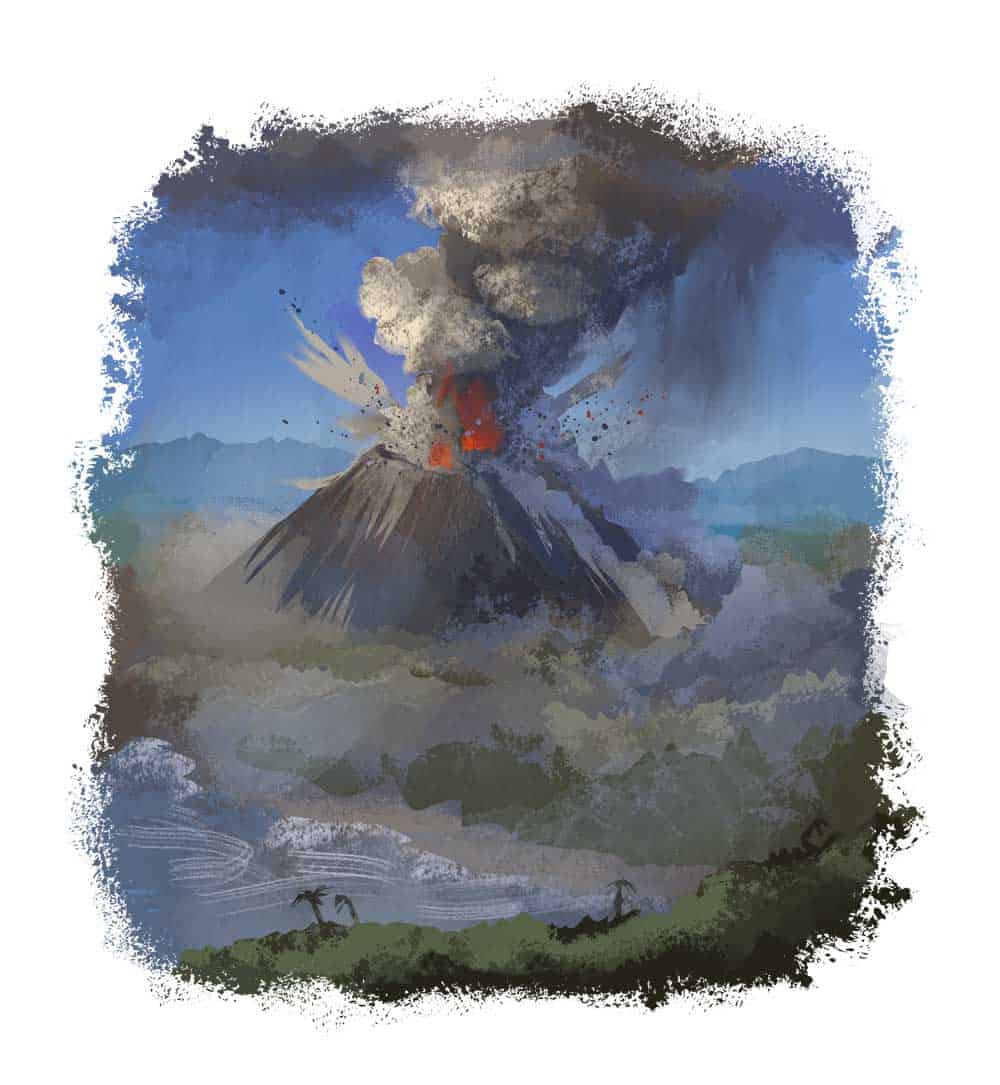
Eruptions in the Auckland Volcanic Field are likely to range between quiet lava flows and fountains of lava to explosive eruptions caused by phreatomagmatic activity (when magma interacts with water).
Gavin Mouldey
The location is also important because the type of eruption and the hazards it produces are largely dependent on the environment (presence of water, rock type) the magma erupts through.
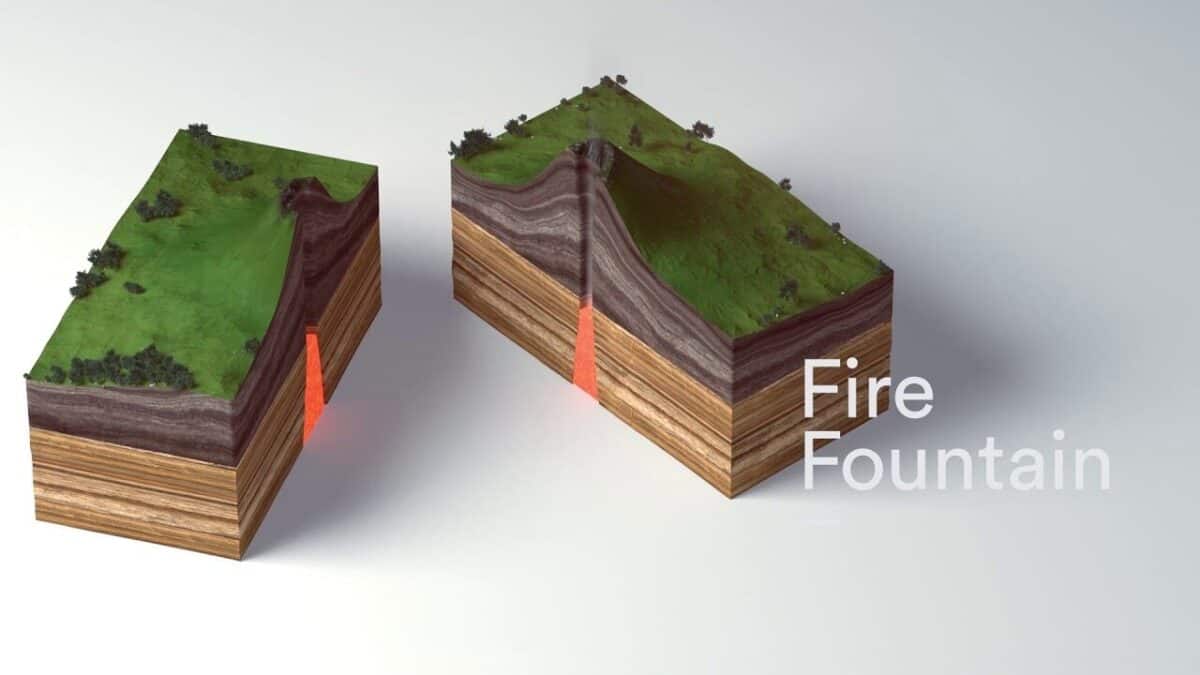
To explore how the impacts of eruptions could vary depending on where they occur within the city, experts have developed different models and eruption scenarios around the AVF. By studying all the different impacts from these scenarios, we can be better prepared for any future eruptions.
Vent formation and deformation
Ground deformation is a change in ground surface shape such as swelling, sinking or cracking, that can occur prior to, during or after an eruption. This can occur in response to the influx, movement, or withdrawal of molten material (magma) and hydrothermal or magmatic fluids or to temperature changes. Changes in the rate of ground deformation help us identify volcanic unrest that may signal the start of an eruptive episode.
Wet explosive eruptions
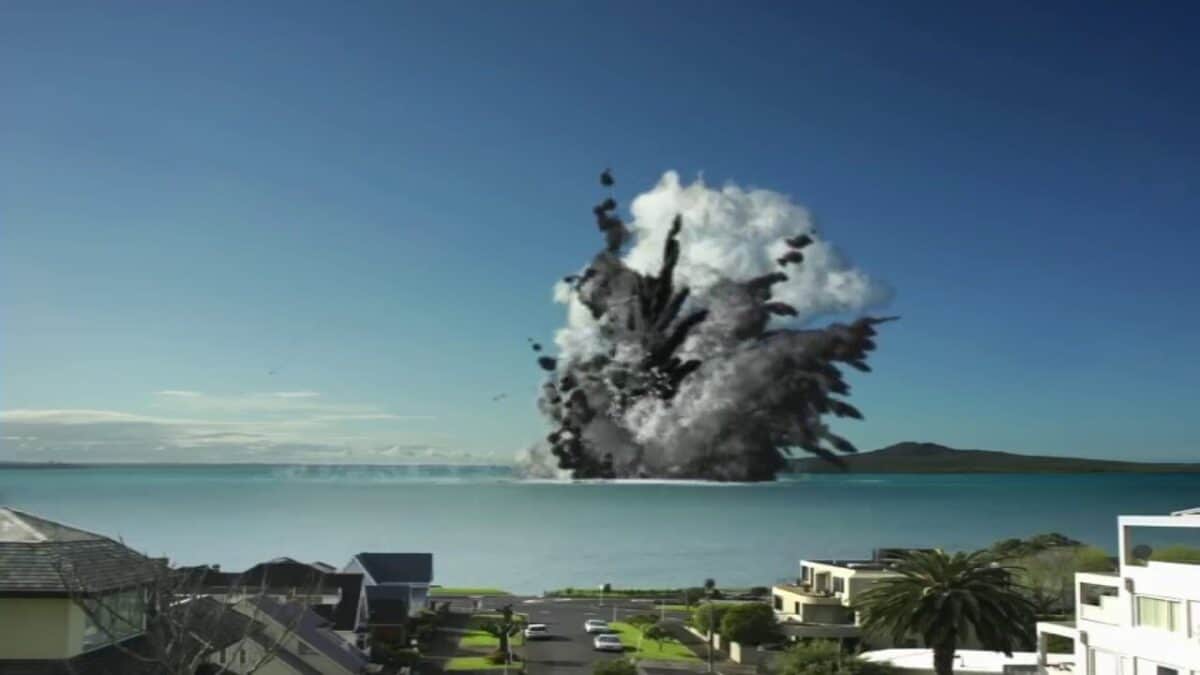
Wet explosive eruptions occur where rising magma comes into contact with water (ground, surface, or seawater). The extreme heat of the magma flashes the water into steam, causing it to violently explode, similar to what happens when water is thrown into very hot oil, but on a much larger scale.
This is a life safety risk so getting ahead of eruptions and evacuating is vital. You can check out the simulation of an explosion in Waitematā Harbour that we worked on with Auckland Museum below.
Base surges
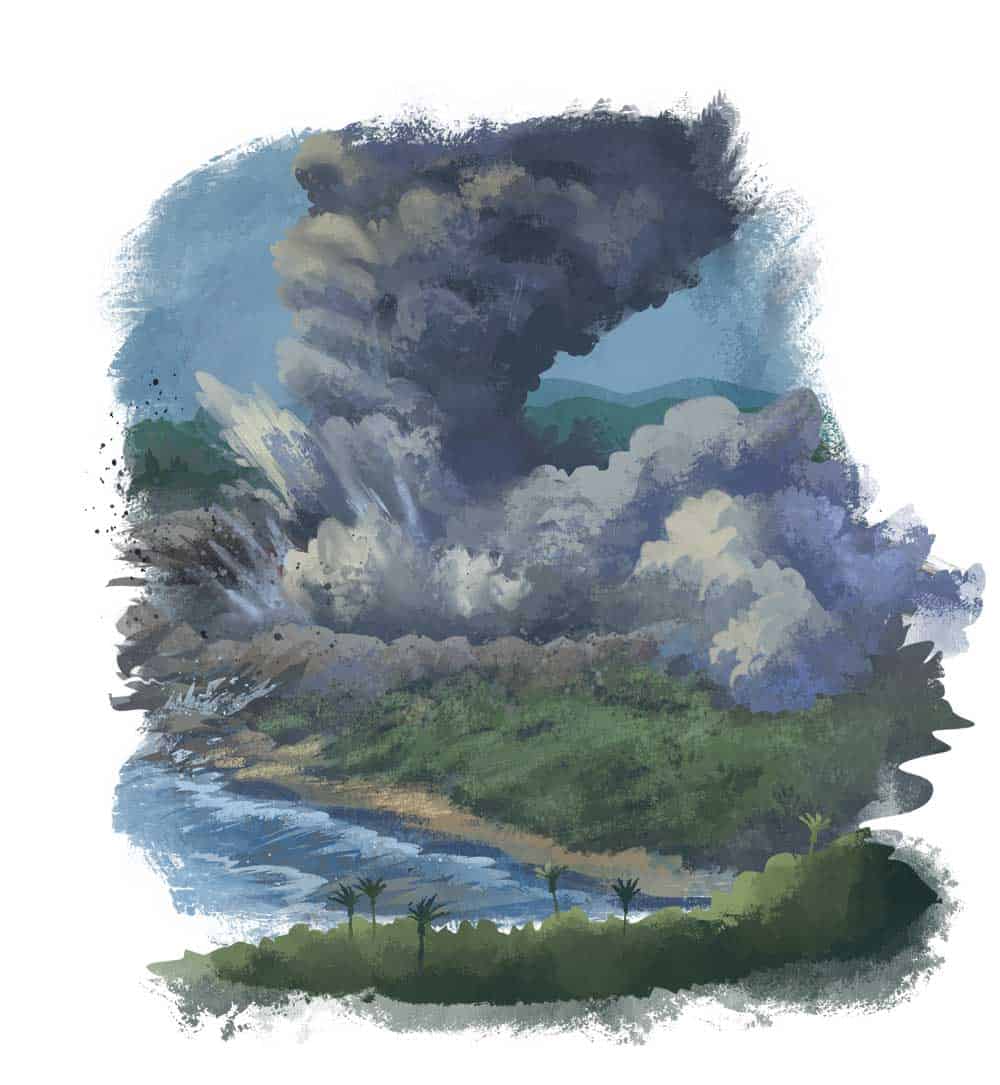
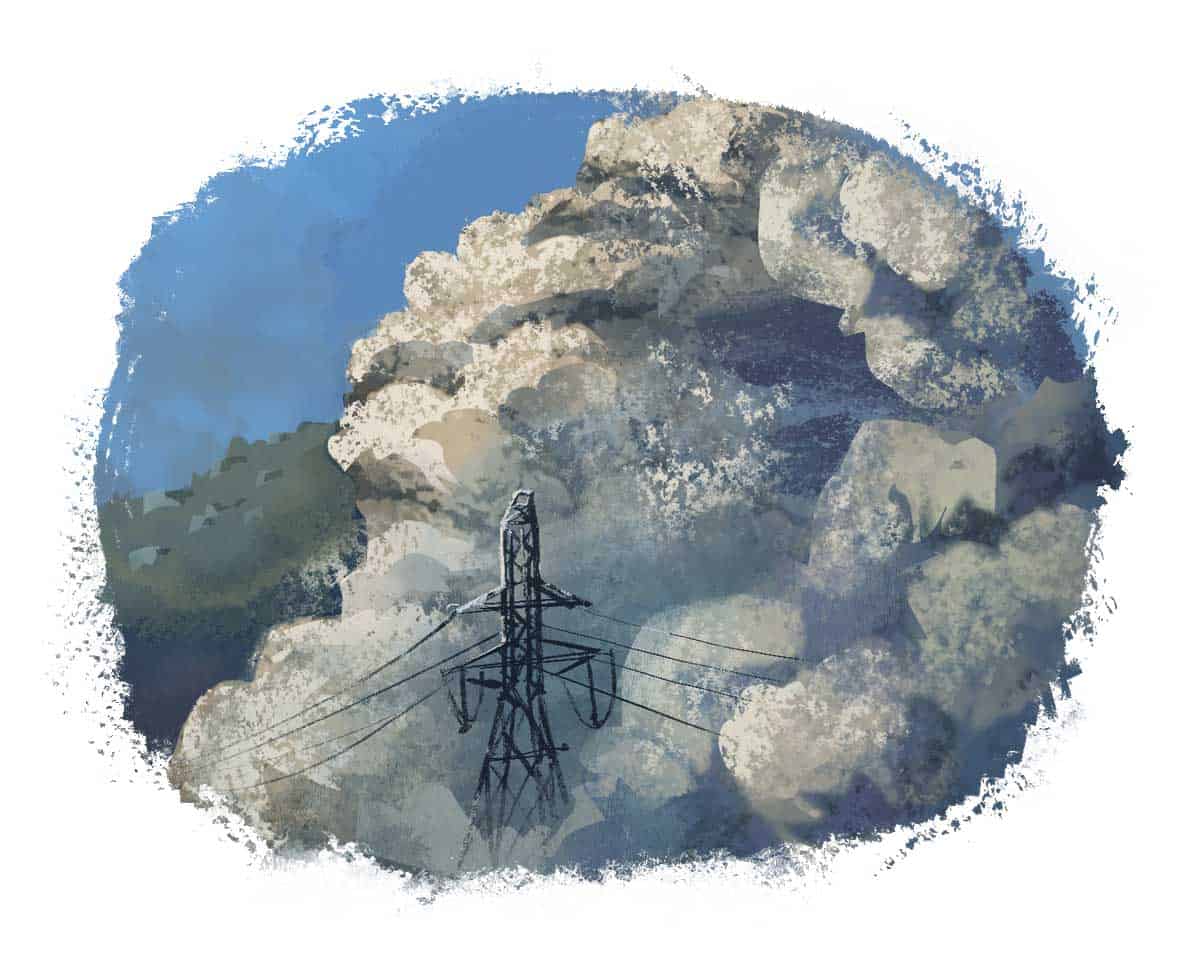
A base surge is a hot, fast-moving, turbulent cloud of gas, ash, and debris produced during explosive volcanic eruptions. These surges are denser than the surrounding air, so they travel along the ground, spreading rapidly outward from the eruption site. Unlike lava flows, base surges can move at tens of metres per second, covering large areas in a short time. This makes them one of Auckland’s most deadly volcanic hazards.
In a future AVF eruption, base surges could travel across multiple suburbs, move around obstacles such as hills and buildings, and impact areas several kilometres from the eruption site.
Ballistics
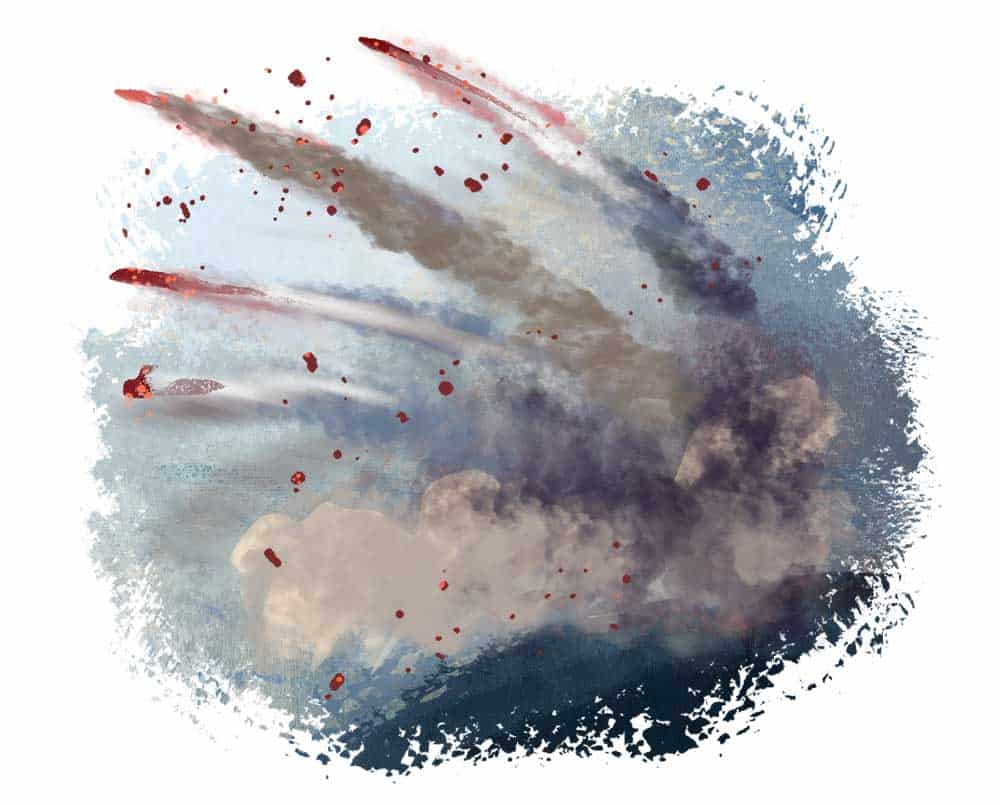
Wet explosive eruptions also produce flying rocks, called ballistics. These are very dangerous but have a similar or smaller range to the surges. Ballistics can also cause fires.
Dry explosive eruption or fire fountaining
Fire fountaining is often the second phase of an eruption that we might see in the Auckland Volcanic Field. In this type of eruption, lava rises through a vent and starts to fountain up into the air, piling on top of itself to build cones made of scoria.
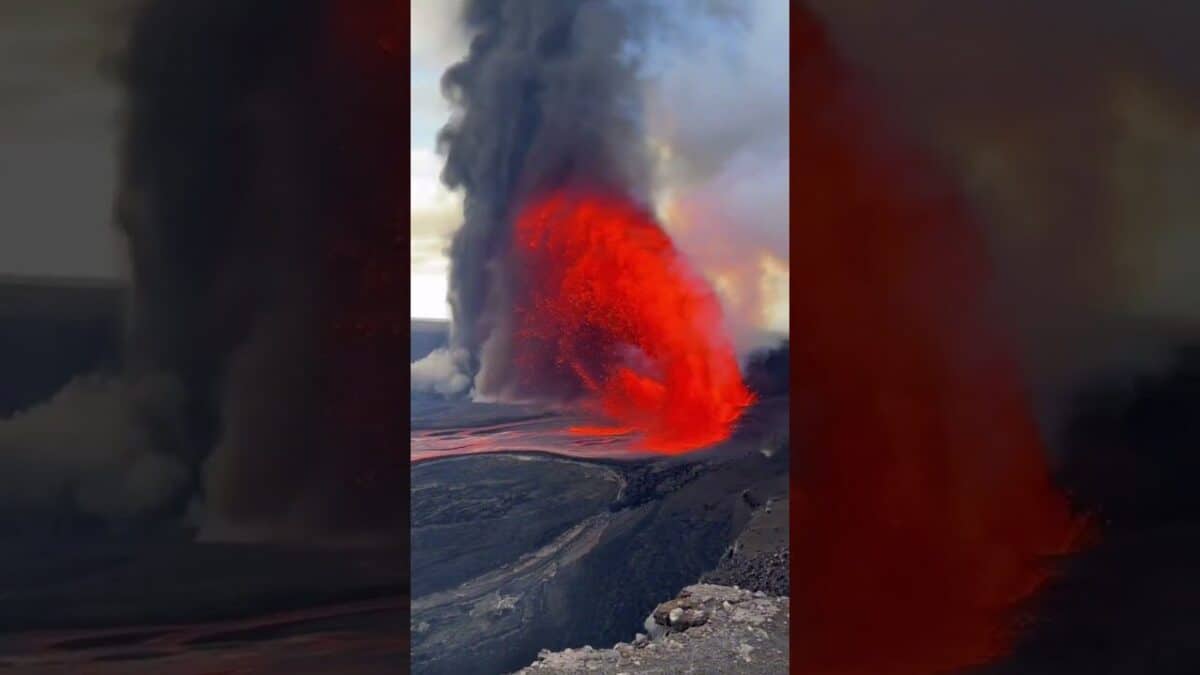
Many of Auckland’s maunga are surrounded by lava bombs, which are larger bits of lava thrown from the crater and spun through the air during fire fountaining.
Dry effusive eruption or lava outpouring
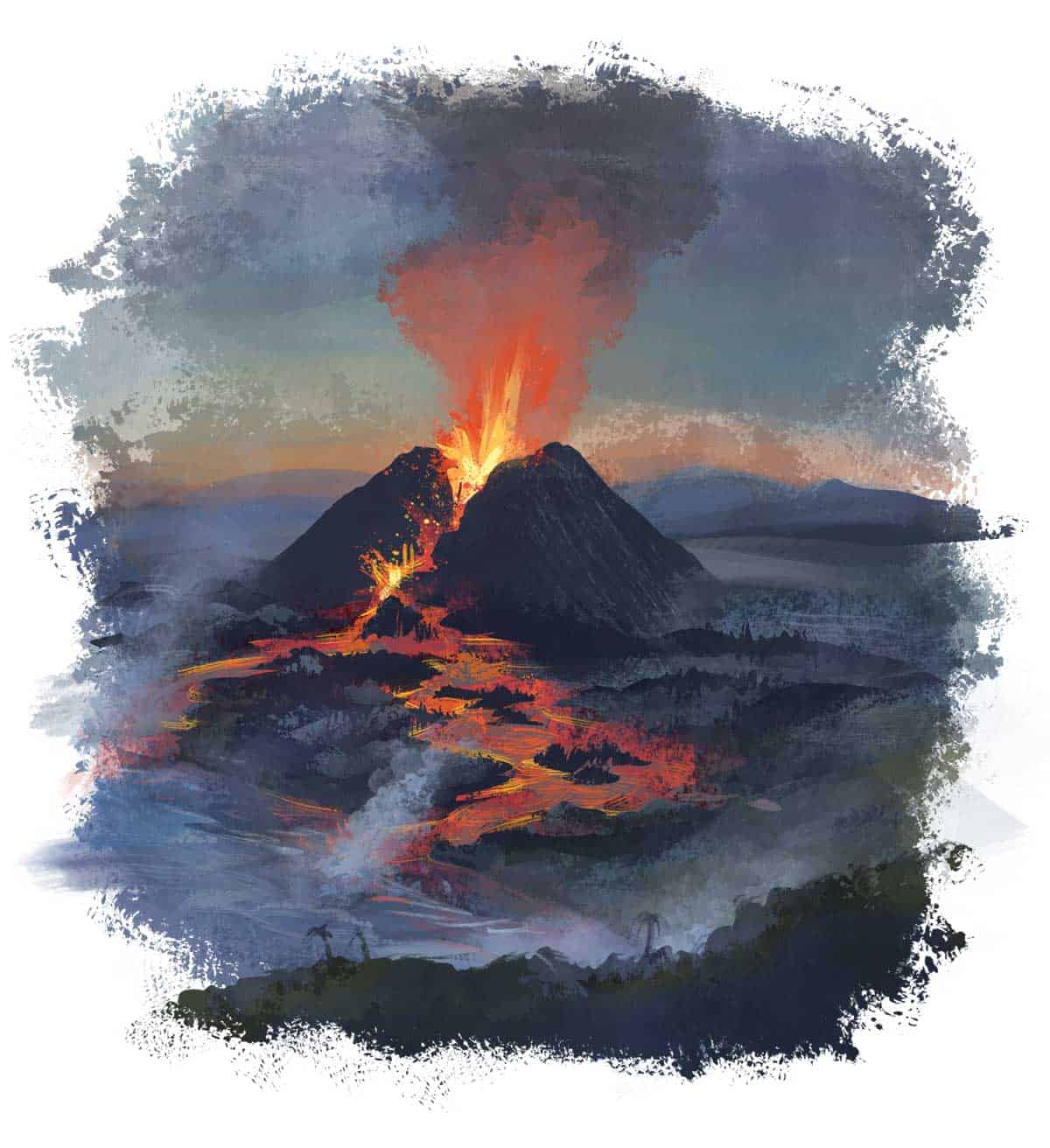
In the Auckland Volcanic Field, about half of the previous known eruptions created lava flows. These are masses of super-heated molten rock (magma) that pour from an erupting volcanic vent and can travel for kilometres. However, if the lava is newly flowing, these are slow enough that you can easily outwalk them. Once a long flow is established, you can see lava gushing down channels much faster, more like the speed of a car. This is what you might have seen in dramatic footage in recent Hawaiian eruptions.
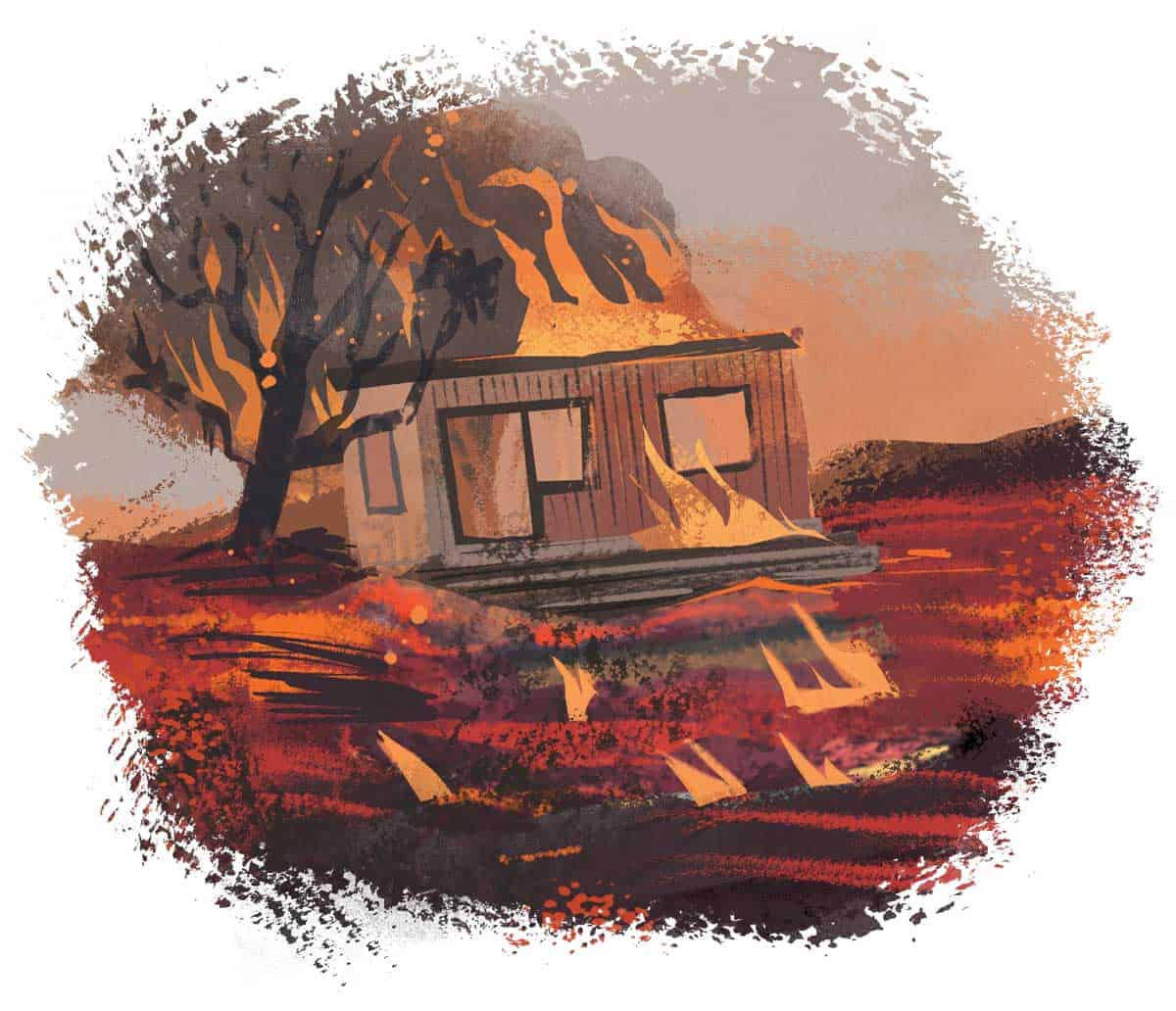
Lava can cause hazardous explosions when it meets water or when it encounters pockets of methane in areas such as wetlands. If fuel tanks are enveloped by a lava flow they are likely to explode, which can cause death and serious injury.
If lava flows into seawater, it reacts vigorously to generate acidic steam plumes (‘laze’) laden with HCl gas and volcanic glass particles. These plumes may be a health hazard.
Other primary volcanic hazards
Volcanic gas (including VOG)
Magma contains dissolved gases. When the Auckland Volcanic Field next erupts, basaltic magma will rise towards the Earth’s surface. As the magma rises, pressure decreases, gases form bubbles, continue to rise, and are eventually released into the atmosphere.
For basaltic magmas, the main volcanic gas released is water, which is visible as a steam plume, followed by sulphur dioxide (SO2) and carbon dioxide (CO2) with lesser amounts of hydrogen sulphide (H2S), carbon monoxide (CO), hydrogen chloride (HCl) and hydrogen fluoride (HF). Of these, sulphur dioxide (SO2) is likely to cause the most health and environmental impacts. These gases will travel downwind. At any location, gas concentrations will depend on the amount released by the volcano, the distance from the source, and the wind speed and direction.
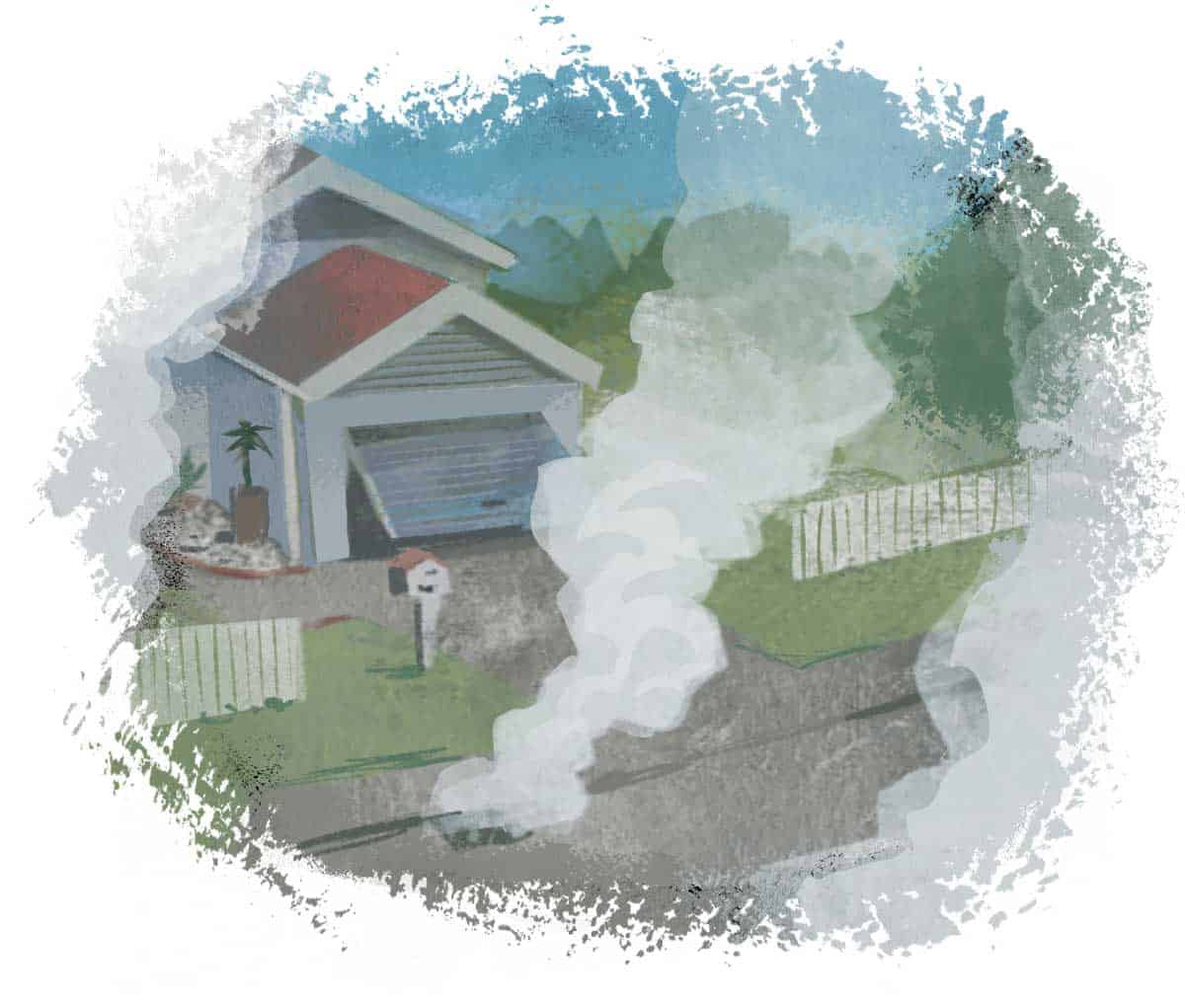
The main health hazard from gas from a new Auckland Volcanic Field eruption is likely to be SO2 gas. When this gas contacts the moist surfaces of your eyes, nose and throat it forms sulphuric acid (H2SO4), which acts as a severe irritant. Asthmatics are particularly sensitive to SO2. As SO2 travels away from the volcano, it reacts in the atmosphere to form tiny acidic particles and droplets. This forms a visible haze in downwind areas, known as ‘vog’. Health effects of vog exposure include:
- eye, nose, throat and/or skin irritation
- a cough, chest tightness or shortness of breath along with worsening of asthma symptoms (wheezing)
- a headache
- feeling tired, nauseous or dizzy
The volcanic gases CO2 and H2S are heavier than air, and can build up in windless, confined or low-lying areas such as basements, poorly ventilated buildings or excavation holes. These gases displace oxygen. If they accumulate to high enough concentrations, they can cause asphyxiation.
Secondary volcanic hazards
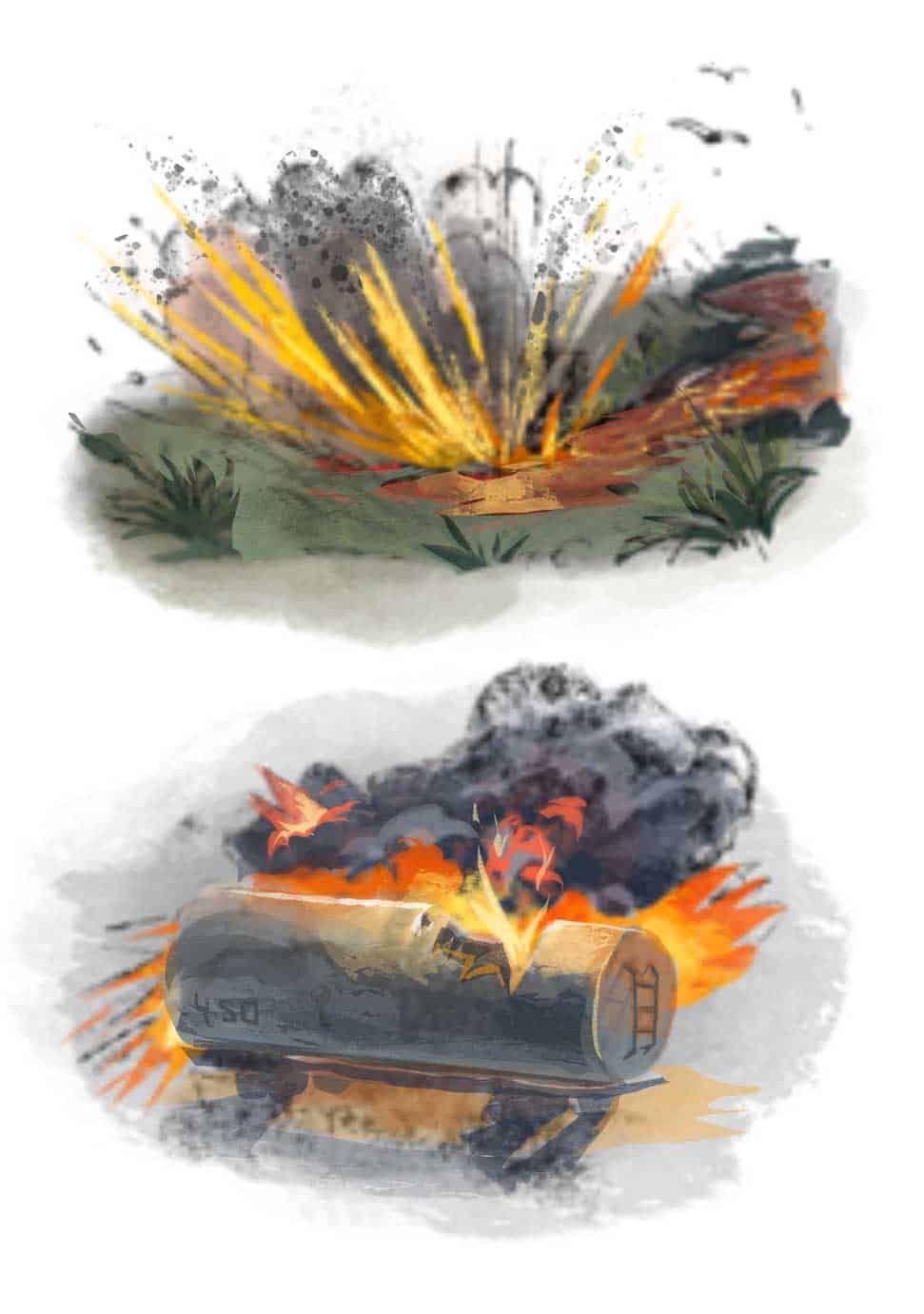
Fire
Lava and ballistics can start fires, burning flammable material and generating smoke, which can drift downwind, increasing the area needing to evacuate.
Volcanic ash
Volcanic ash can be produced during wet explosive and fire fountaining eruptions. Ash (volcanic fragments less than 2 mm) can be thick near the vent, but we wouldn’t expect it to travel much beyond the city. Volcanic ash can contaminate water supplies, damage buildings, and affect air quality. It can also disrupt travel, especially flights.
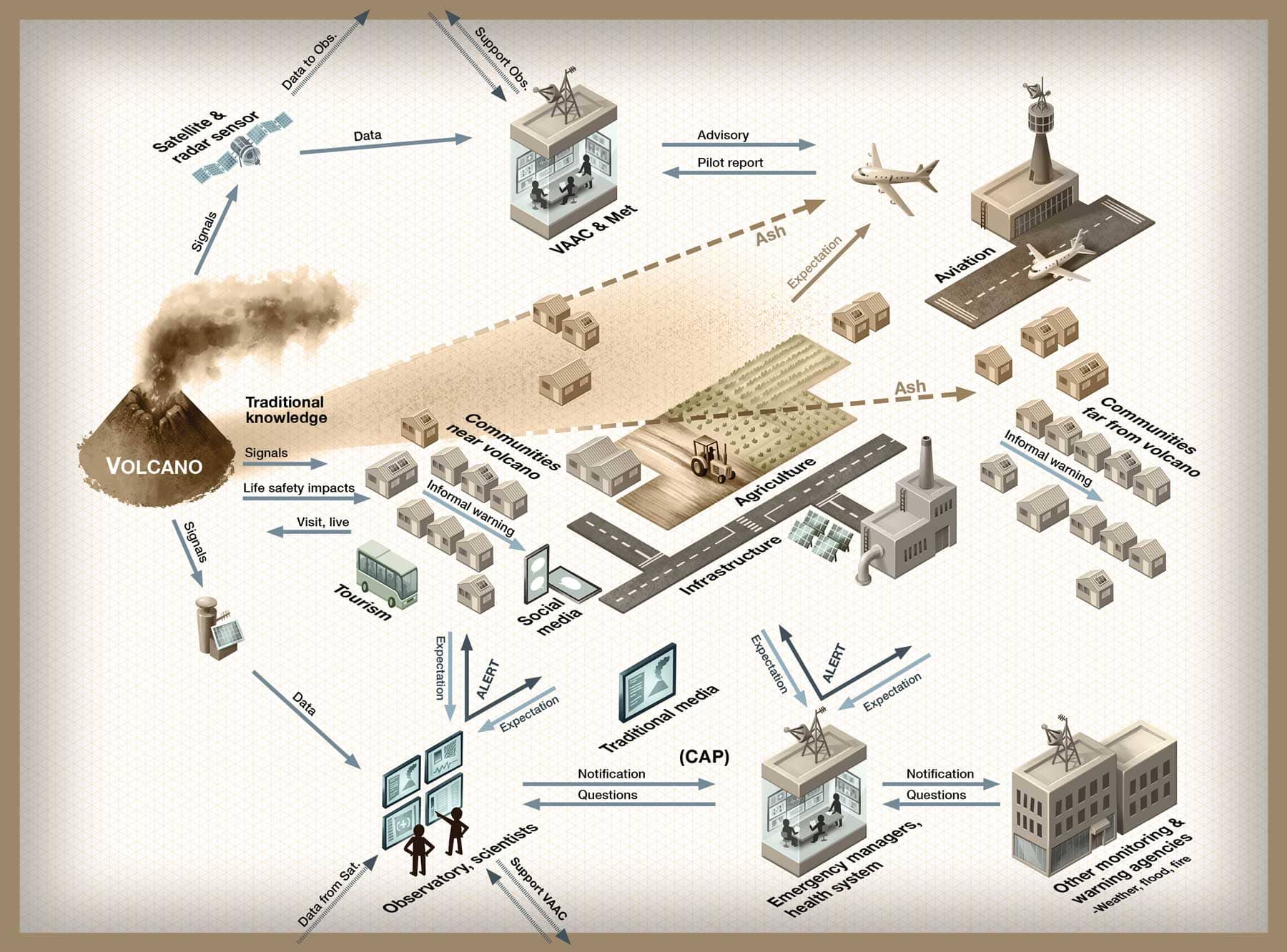
Auckland is also at risk from ash fall from eruptions at other volcanoes. The last time ash fell on Auckland was when Ruapehu erupted in 1995. As ash can cause engines to fail, the airport was closed, costing the city millions of dollars.
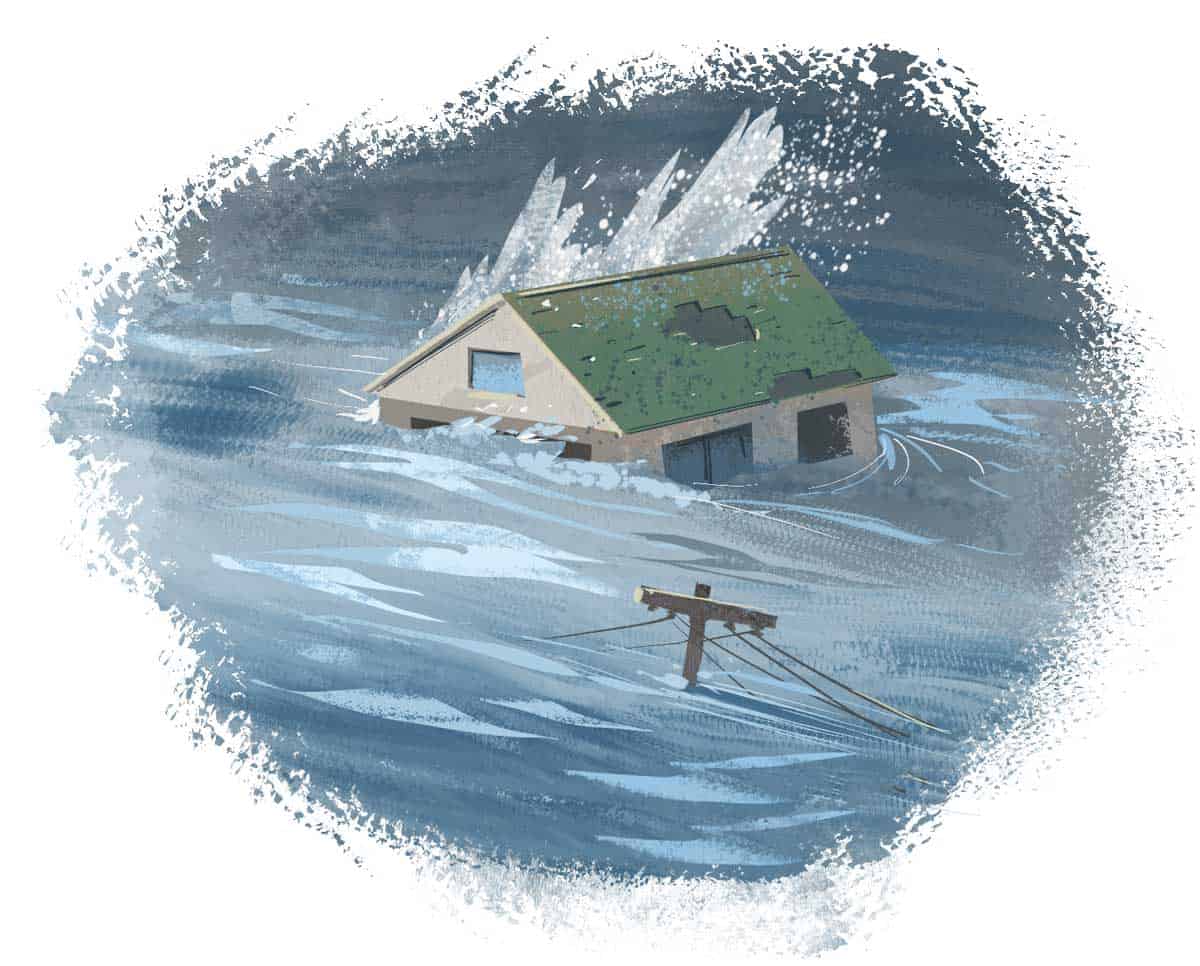
Volcanic tsunami
If an eruption occurs in the shallow sea around Auckland and displaces a large amount of water, it could trigger a small tsunami, posing more risk to coastal areas.
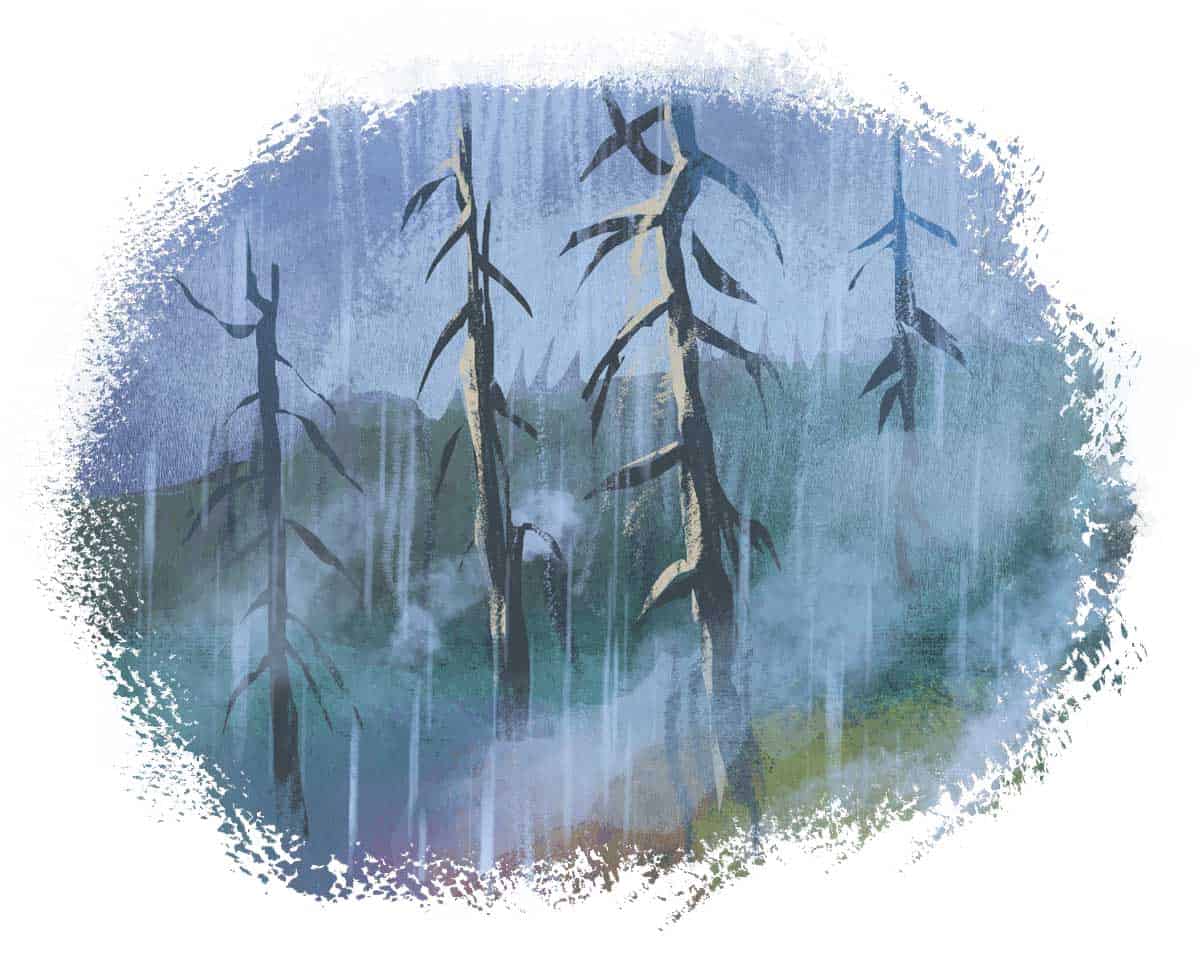
Acid rain
Volcanic acid rain is rain that has been acidified by falling through airborne volcanic gases and particles. Close to an active volcanic vent, rain could have acidity similar to freshly squeezed lemon juice (pH 2). Acid rain can irritate your skin and eyes, damage plants and accelerate the rusting of metal surfaces.
Keep reading
More about this topic
-
Scenarios and forecasting
DEVORA has created eight representative scenarios to help plan for an Auckland Volcanic Field eruption
-
Planning for the future
Many people and assets are EXPOSED to an eruption, but it will likely IMPACT only a fraction of them, we’re helping plan for that.