
Our volcanic story
Our volcanic future
How we prepare
- About 10% chance of an eruption in the next 50 years
- Days to weeks of warning expected
- NZ$1 to 60 billion estimated cost of an eruption
We think the chance of a future eruption in Tāmaki Makaurau Auckland is very low in your lifetime.
Our research into past eruptions means we think the likelihood is roughly 10% over the next 50 years. We’ve calculated this based on a median gap between eruptions over the last 60,000 years of about 500 years. However, given the impact of an eruption, it’s definitely worth being prepared.
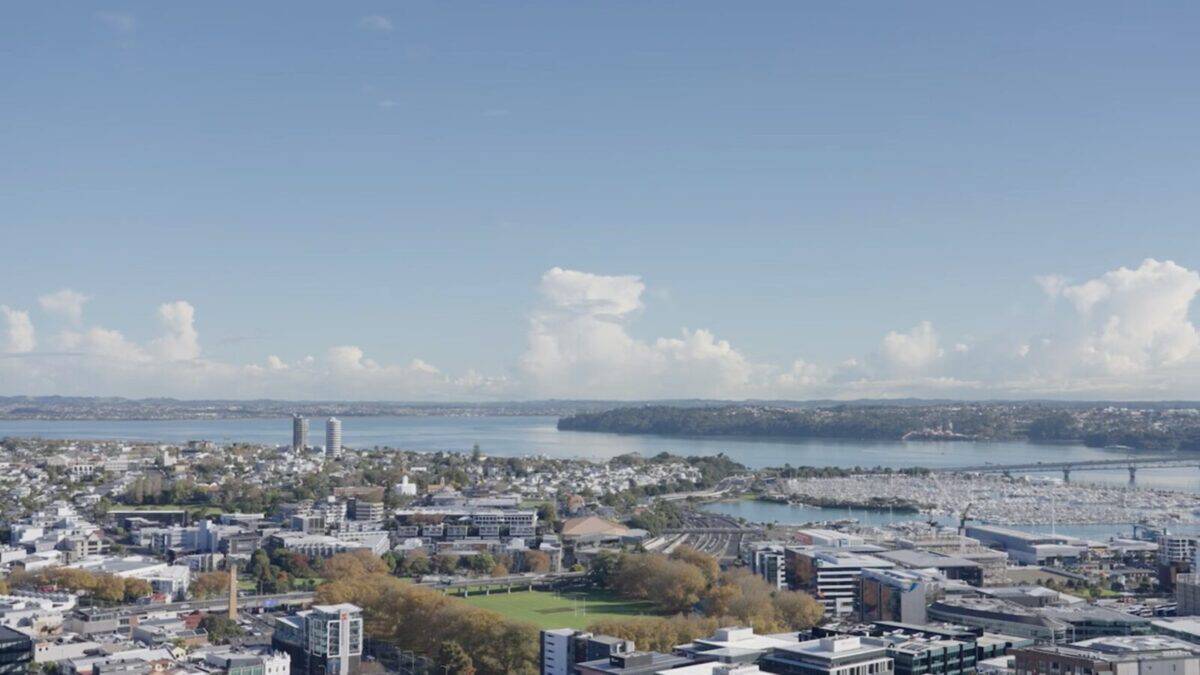
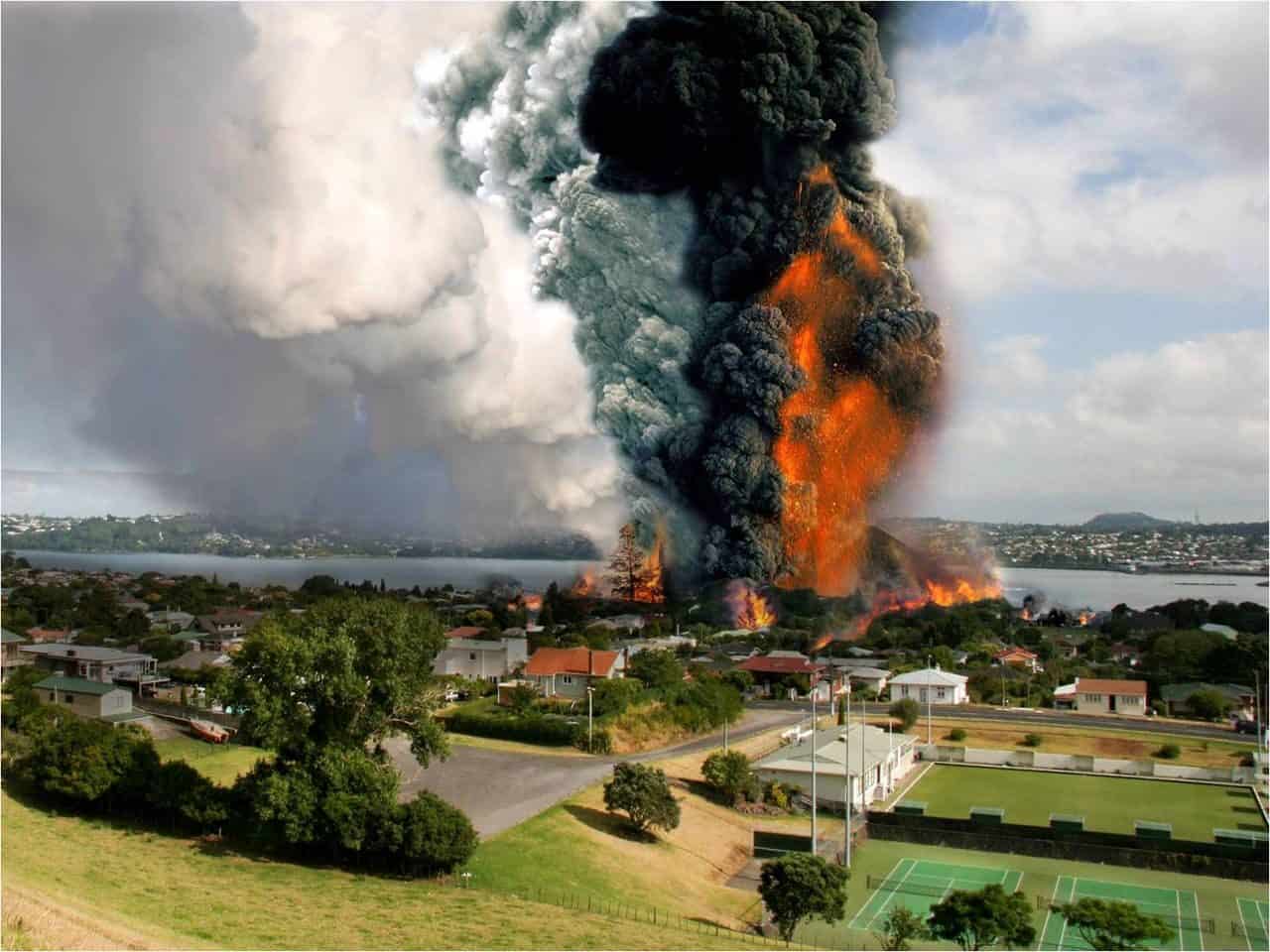
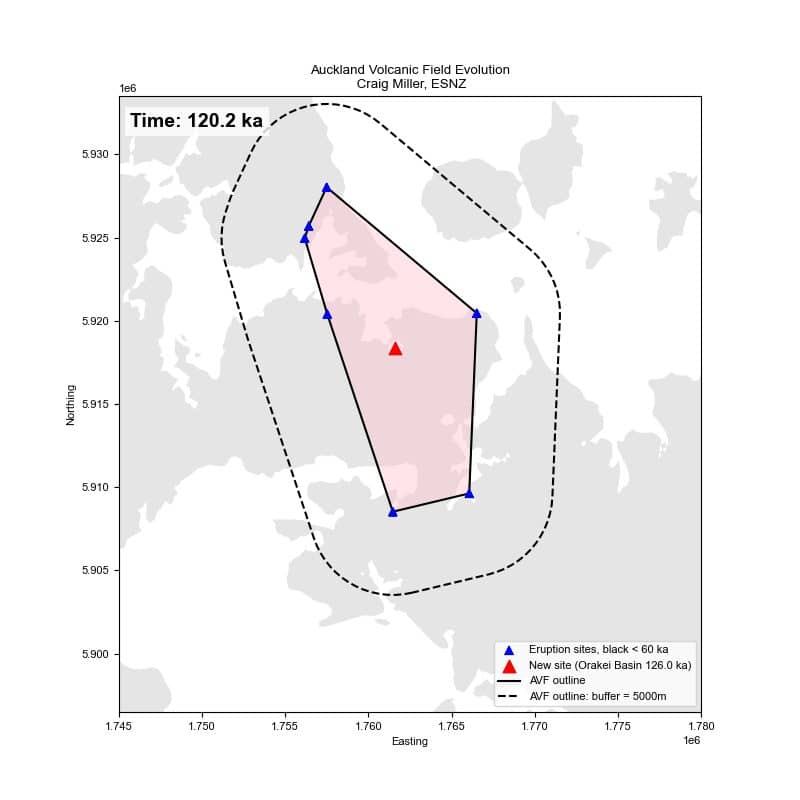
An eruption in the Auckland Volcanic Field is likely to be relatively small, compared to Lake Taupō or Taranaki Maunga eruptions, but because most of the population of Auckland lives on the volcanic field, the impact could be large. We hope that one day our research will be able to predict when and where a volcanic eruption will occur next in Auckland. Based on statistical analysis we are pretty sure however, that the next eruption centre will occur within the current field or up to 5km of its current radius. The impacts, however, may be felt beyond this ’buffer’ zone.
The animation below shows how the boundaries of the Auckland Volcanic Field have changed over time.
Warning time and eruption duration
We think we’ll get days to weeks of warning from when we first detect earthquakes or gas from rising magma before an eruption. Because this is a wide range, more research is underway to refine the time estimate. We’re using new, cutting-edge methods to try to find out more about how quickly magma has moved upwards in the earth’s crust in the past to estimate how fast it may rise in the future.
The next eruption could last from days to a year.
Severity and consequences
Any activity on the Auckland Volcanic Field will have national-level impacts.
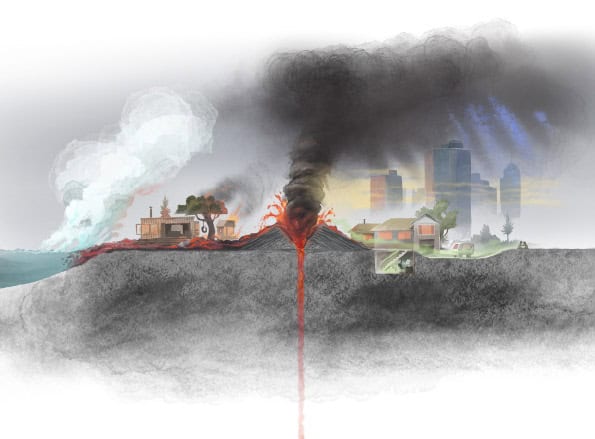
The severity and consequences of volcanic hazards depend on their intensity and how they interact with each other. A thick layer of ash can cause a roof to collapse, whereas a thinner layer may only require cleaning up. The intensity of a hazard varies based on its type, but usually, the farther away it is from a vent, the less intense it will be. This means that during an Auckland eruption, we could expect its impacts to be isolated to only a portion of the city.
Minor impact
There is unlikely to be any building damage, but it may cause dangerous driving conditions. Small accumulation of volcanic ash (up to a few millimetres) causing nuisance to those living and working nearby. Clearing of the ash will be required to prevent health impacts.
Moderate impact
Some non-structural damage to buildings. Due to large quantities of volcanic ash, clean-up involving considerable resourcing, including heavy machinery, will be required.
Major impact
Widespread structural damage to and/or burial of buildings and infrastructure beneath thick eruptive deposits. Complete loss of service for electricity and water is likely. Roads impassable due to damage and burial beneath layers of ash, rock, and lava.
Location is important
We can’t predict where the next eruption will take place, but where it happens will have a large influence on the impacts. For example, some parts of the city have a lot of housing, some have important transport links like bridges or railways, and some contain equipment and buildings that contain critical infrastructure, like water and electricity.
It’s likely there will need to be mass evacuations if the threat of rising magma is detected. This will result in a sudden need for accommodation elsewhere along with support for displaced people. It is also likely to cause disruption to supply chains for food, fuel and other goods.
Economic impact
Economic modelling from 2021, estimates that the cost of a future eruption could start at around NZ$1 billion in the least damaging scenario and exceed NZ$60 billion in the most damaging scenario. This estimate doesn’t include indirect or intangible losses (like reduced revenue or impacts on people’s wellbeing from the disruption caused by a volcanic disaster), which could make the total cost even higher.
Keep reading
More about our volcanic future
-
Our volcanic hazards
Although an eruption is unlikely in your lifetime, it’s important to be aware of possible hazards
-
Scenarios and forecasting
DEVORA has created eight representative scenarios to help plan for an Auckland Volcanic Field eruption
-
Planning for the future
Many people and assets are EXPOSED to an eruption, but it will likely IMPACT only a fraction of them, we’re helping plan for that.