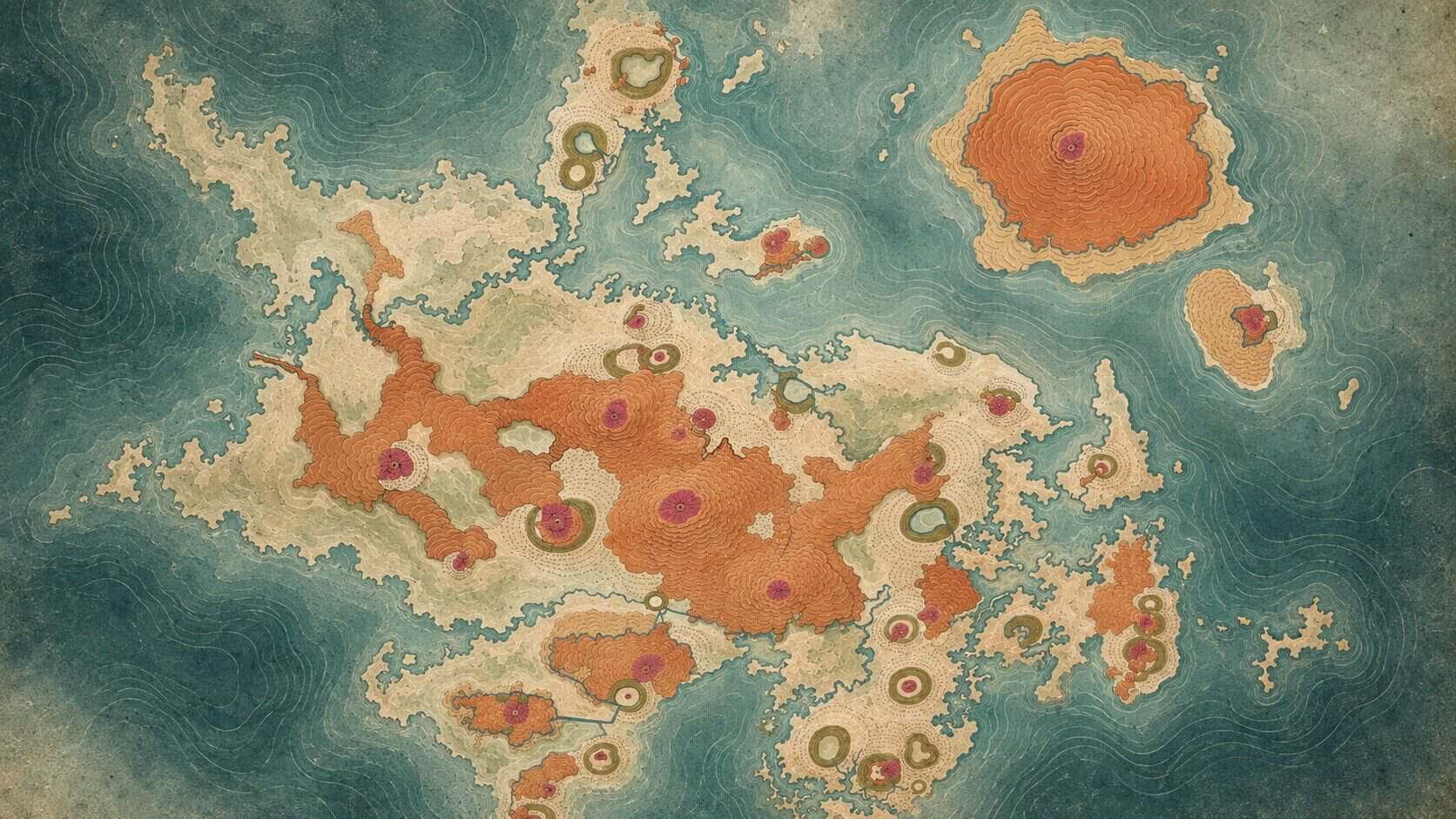
DEVORA brings together researchers from across Aotearoa New Zealand and beyond to assess volcanic hazard and risk in Auckland. DEVORA researchers work with Auckland Emergency Management to incorporate findings into policy, and with lifelines organisations and businesses to improve their resilience to volcanic threats.
Lifelines organisations
The level of resilience in Tāmaki Makaurau Auckland in a volcanic event will strongly depend on the functionality of critical infrastructure, particularly utilities and transportation.
DEVORA has relationships with emergency responders and insurance companies. DEVORA researchers also regularly contribute to the annual Volcano Short Course for emergency managers and lifeline organisations run by Earth Sciences New Zealand.
The key relationships for DEVORA are with Auckland Emergency Management and Auckland Council. We also work at national level with Toka Tu Ake: Natural Hazards Commission and the National Emergency Management Agency (NEMA).
Auckland Lifelines Group
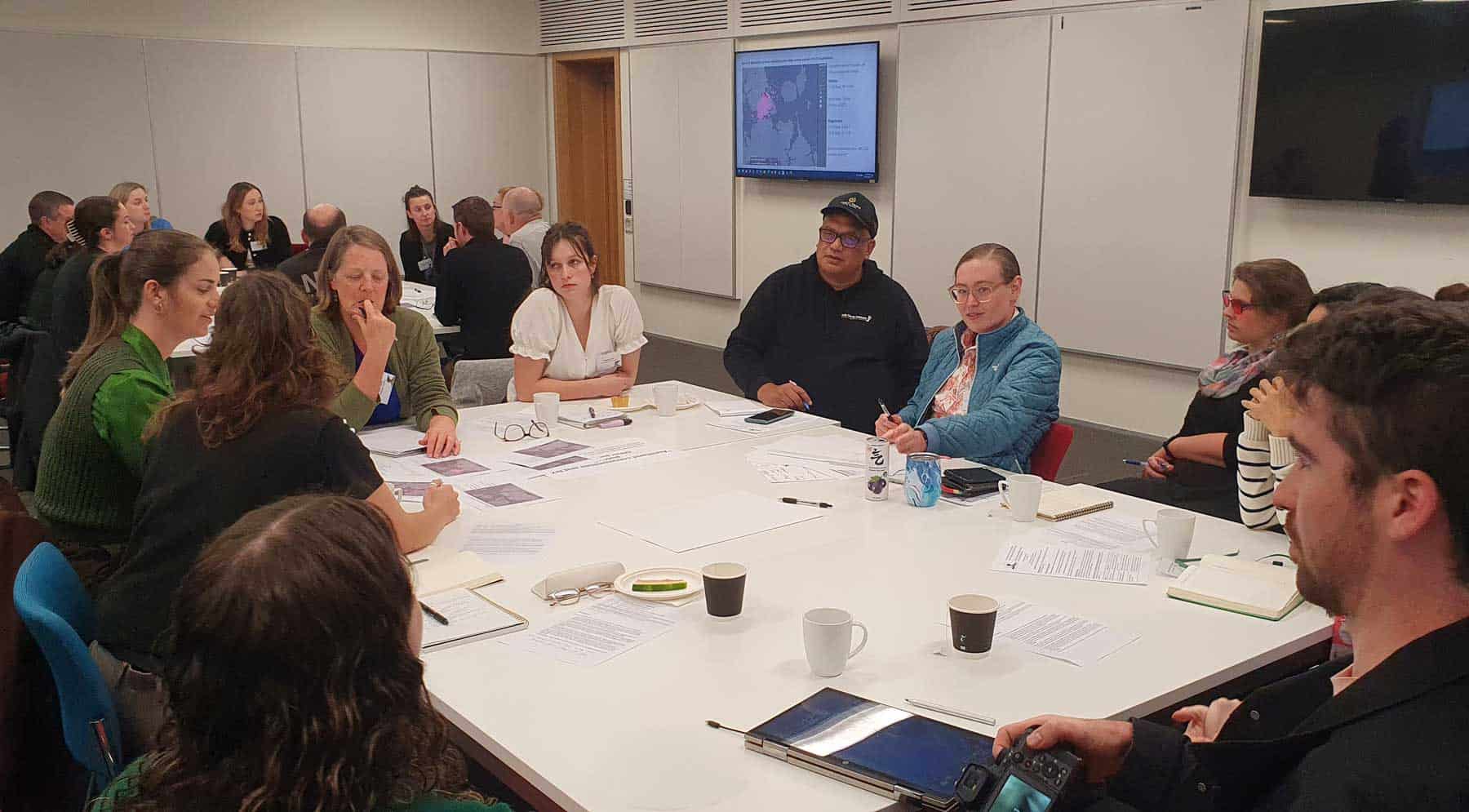
DEVORA is a key resource for the Auckland Lifelines Group, a voluntary group made up of lifeline utilities who provide critical infrastructure around the Tāmaki Makaurau region. They work together before, during and after emergency events to look after the needs of our communities by helping to restore essential services as soon as possible.
Volcanic Impacts Study Group
In 2004, a consortium of volcanology and natural hazard researchers and practitioners established the Volcanic Impacts Study Group (VISG) as a sub-committee of the Auckland Lifelines Group, with the aims to:
- collate and advocate knowledge about the impacts of volcanic hazards (for instance, ash) on, and mitigation measures for, lifeline infrastructure;
- facilitate and support research on the impacts of volcanic hazards on lifelines and people and the development of appropriate mitigation measures;
- advise on the applicability for lifelines of any research being undertaken;
- facilitate reconnaissance investigations and advocate for lifeline representation on reconnaissance investigations to active volcanic areas where this would add to our knowledge about volcanic impacts on infrastructure;
- provide a national focal point for volcanic impacts work on lifelines.
DEVORA researchers have actively contributed to the objectives of the VISG, supporting ash impacts research and related activities.
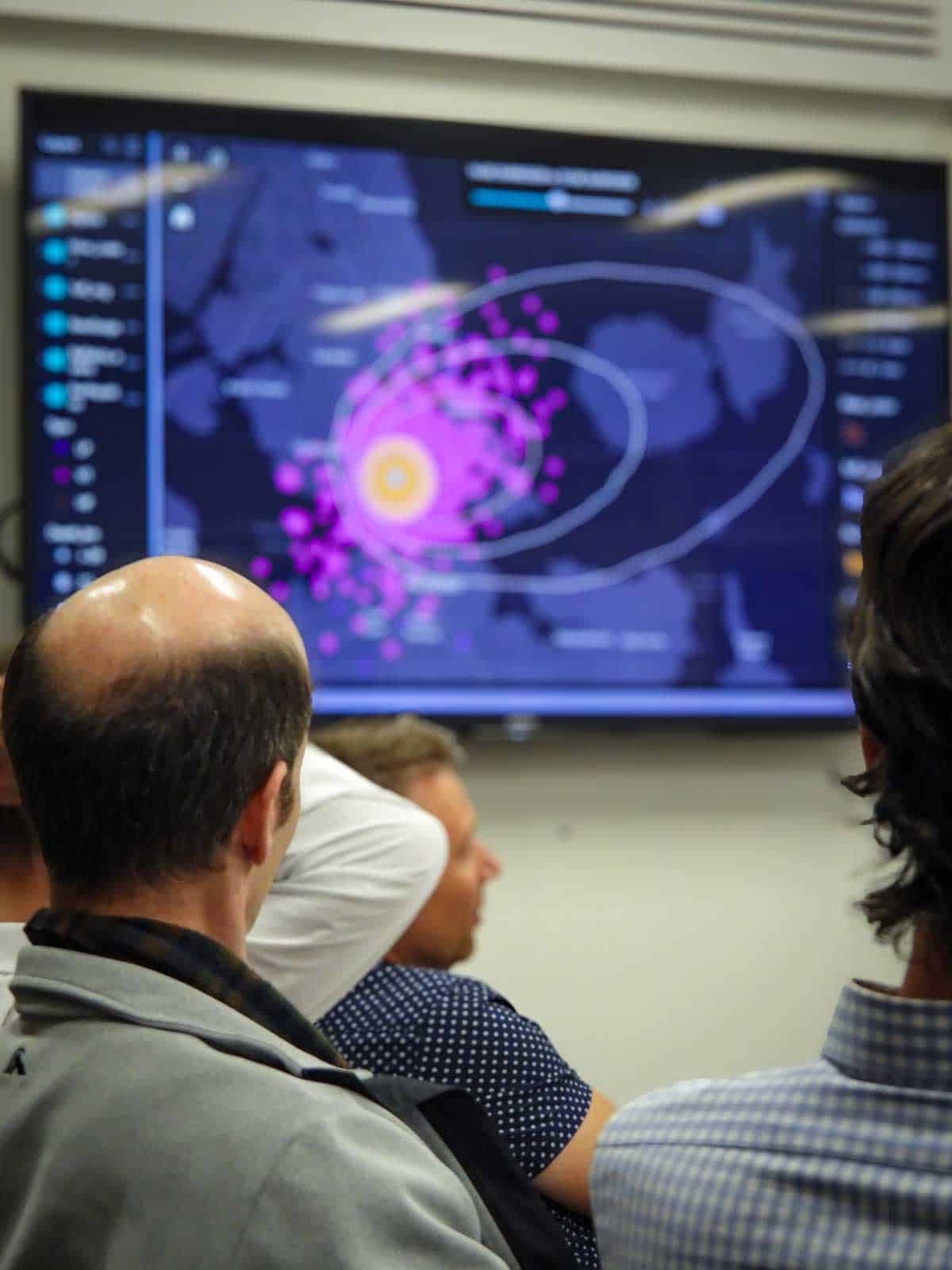
The VISG periodically organises workshops and forums that bring together researchers and critical infrastructure providers, and DEVORA researchers always support and participate in these activities. Where relevant, DEVORA also co-creates and co-authors research with these agencies.
Engagement and partnership with Māori
A major goal of DEVORA is to engage as much as possible with Māori on research carried out on their ancestral lands. Kelvin Tāpuke is DEVORA’s Manutaki. A partnership is being developed with the Te Pane-o-Mataaho Māngere Mountain Education Centre, which includes co-leading field trips with centre guides to the mountain where volcanology, cultural history, and Indigenous knowledge is shared.
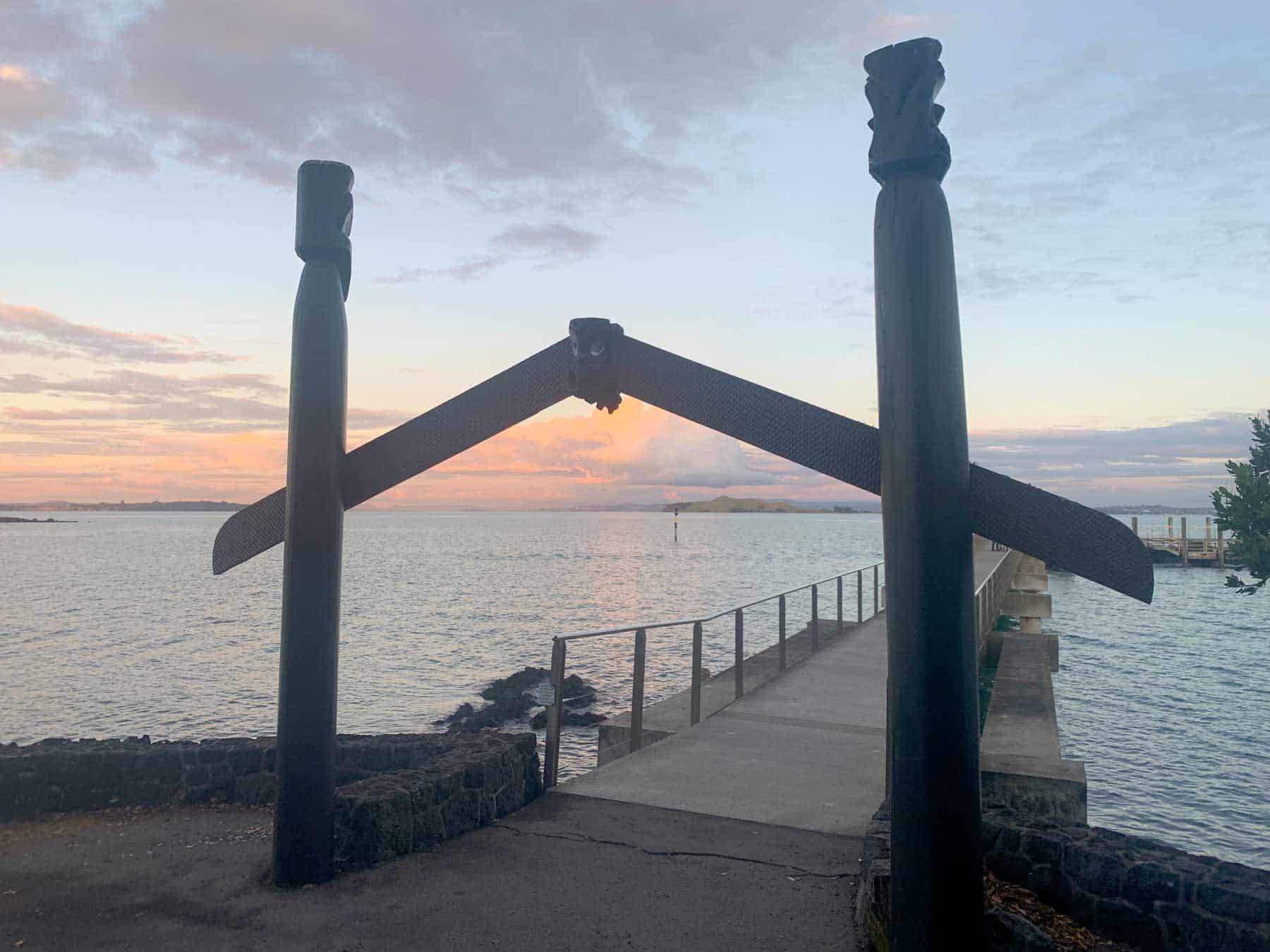
In a flagship project, commencing in 2023, DEVORA recruited a Māori doctoral student to explore the interface between modern science and Mātauranga Māori (Māori knowledge, including the Māori worldview, creativity, and cultural practices) in the Auckland Volcanic Field.
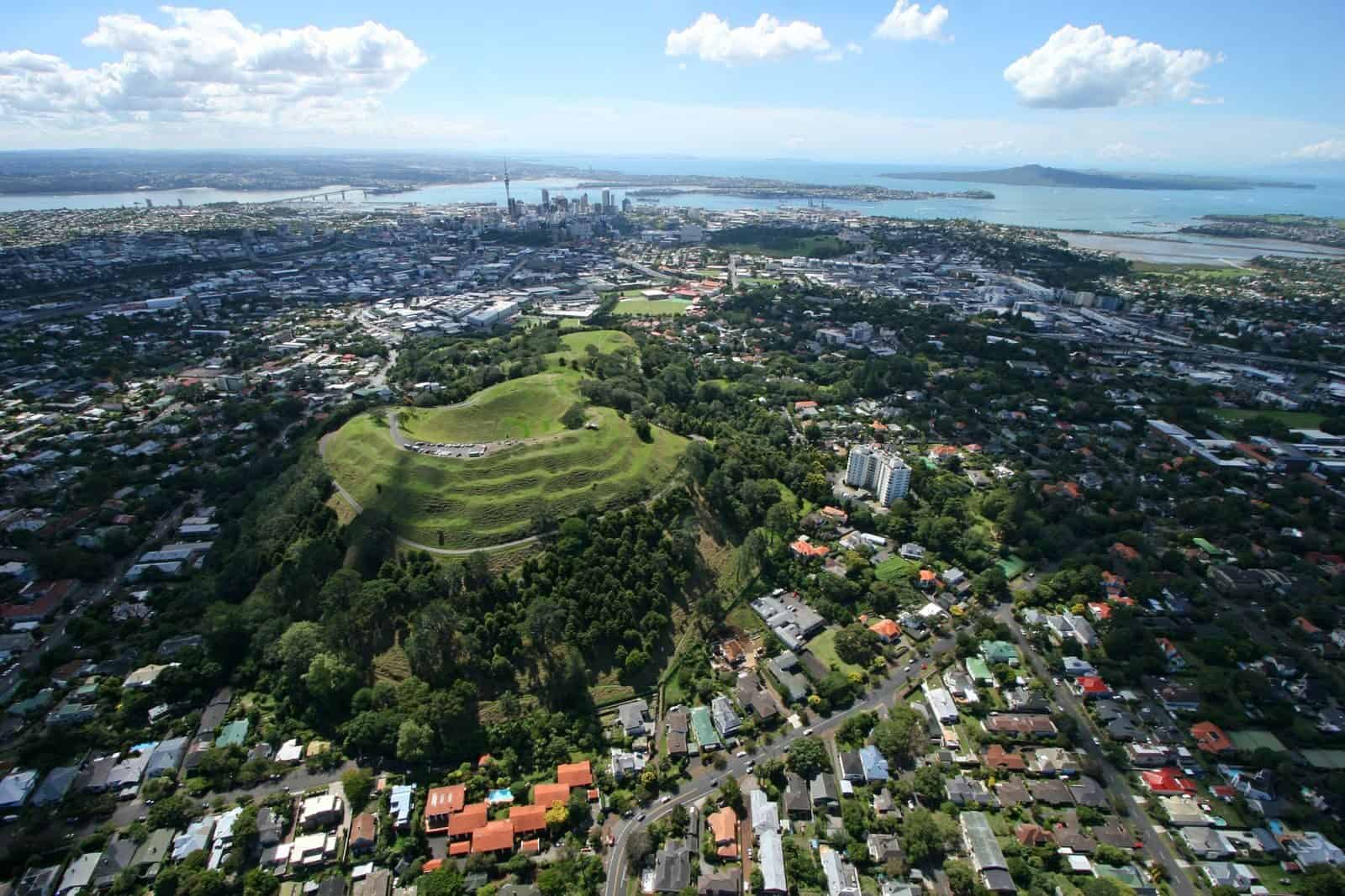
In recognition of past colonising practice of renaming landmarks, and in support of revitalising te reo Māori, DEVORA advocates for the use of the Māori names for the volcanoes and updating relevant maps and databases accordingly. Funding has also been set aside for researchers and members of the DEVORA management team to expand their knowledge of te reo Māori and Māori protocols and practices to build cultural capability and awareness within the programme.
Keep reading
More about this topic
-
Potential impact on people, buildings, economy and the environment
While many people, assets and natural features are exposed to volcanic threat only a portion are likely to be affected.