
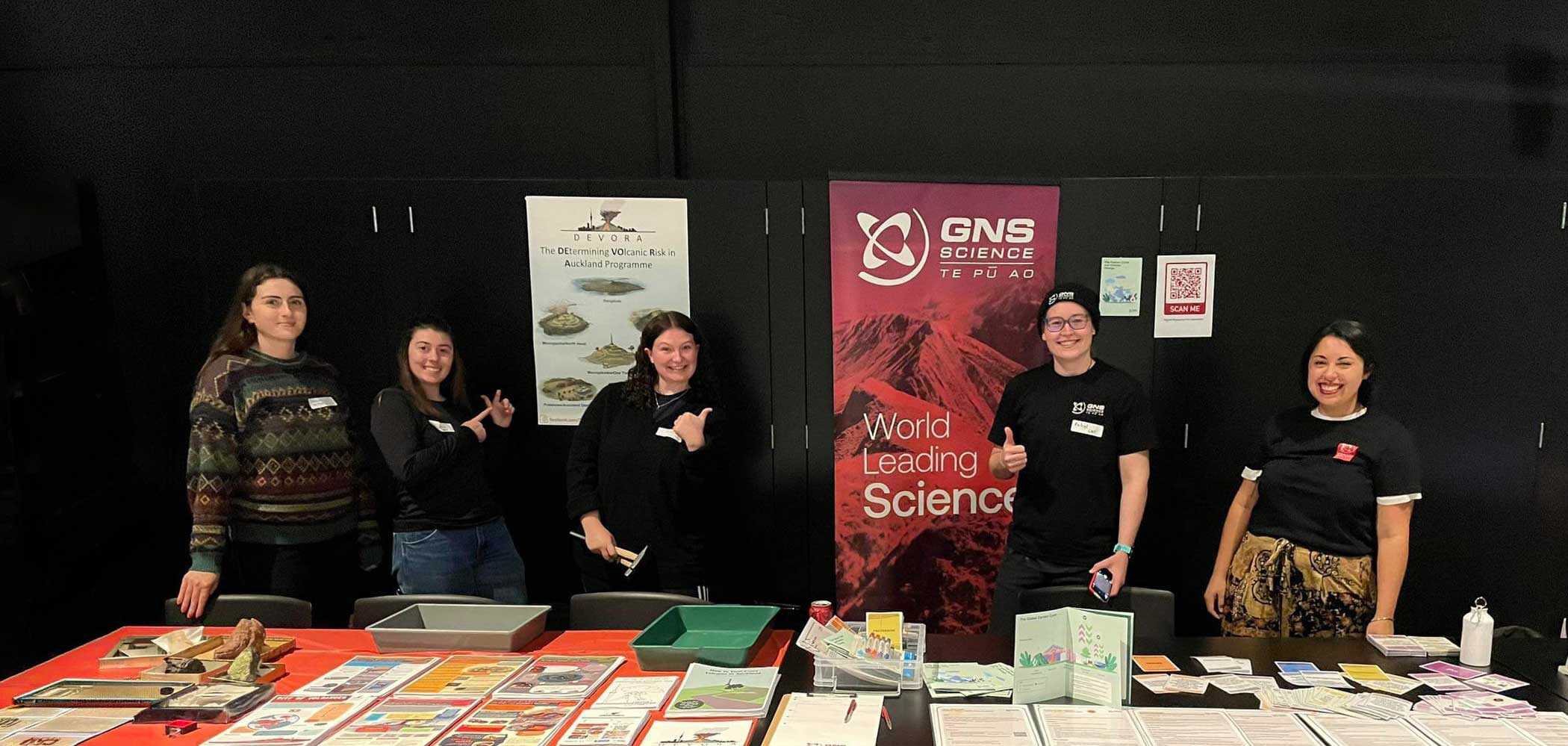
DEVORA has two co-leaders, one from the University of Auckland and one from Earth Sciences New Zealand. This joint leadership model has proven successful: it has enabled the project to draw on expertise from both organisations and to oversee a wide range of aligned projects.
A decision was made at the beginning that a project manager would be essential to facilitate DEVORA running smoothly, and this role has been filled at 0.3 to 0.5 full time equivalent since project inception. At any time, since 2019, DEVORA has had between two and four research assistants/interns who assist the project manager.
Jump to: Manutaki · Management team · Steering group · Current researchers · Post-graduate students and alumni
Manutaki
In 2023, a new position was created within DEVORA, entitled “Manutaki” (after the Māori word for the sentry bird within a flock), to guide the DEVORA team on its journey to become culturally responsive researchers and leaders meaningfully engaging with Māori.
-
Kelvin Tāpuke
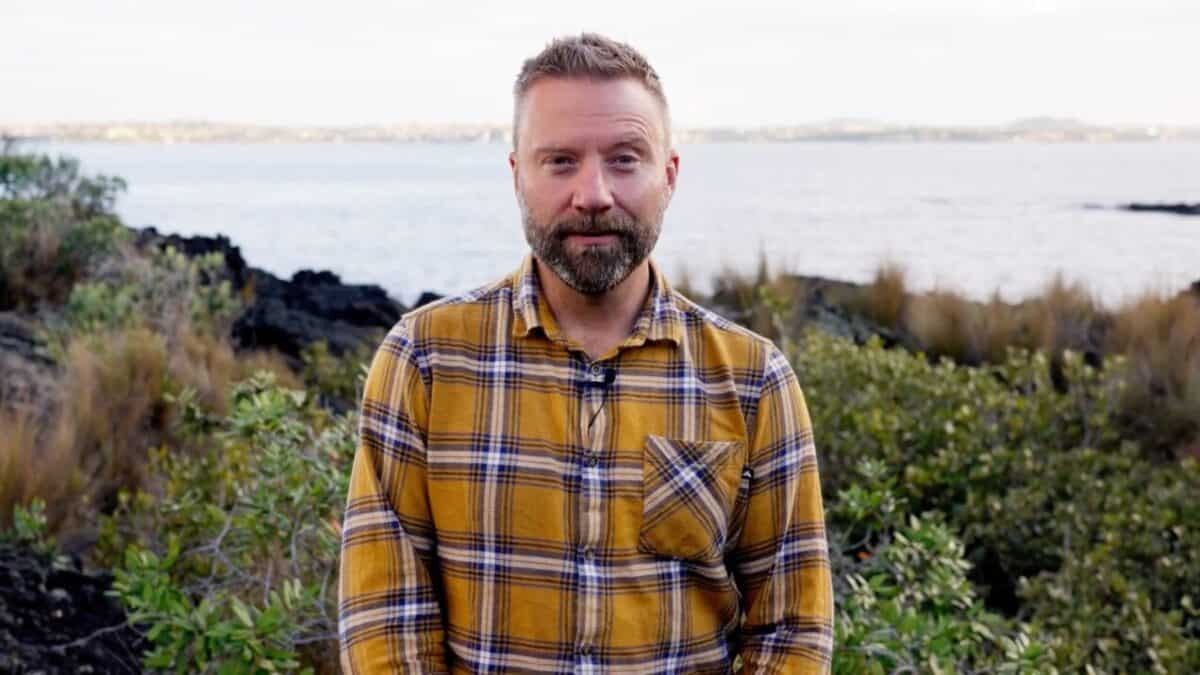
Meet Kelvin
Management team
Collectively, the two co-leaders, the project manager, the Manutaki, researchers from Earth Sciences New Zealand, and the senior research assistants are referred to as the DEVORA management team.
-
Prof Jan Lindsay
-
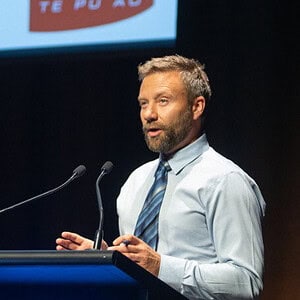
Dr Graham Leonard
-
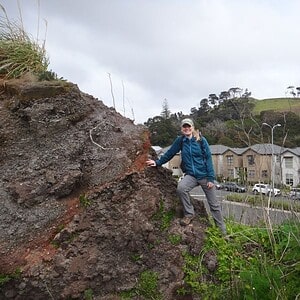
Dr Elaine Smid
-
Kelvin Tāpuke
-
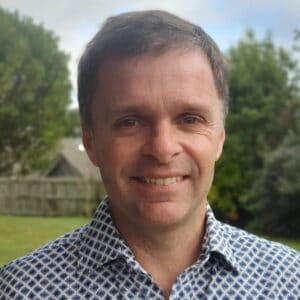
Dr Craig Millar
-
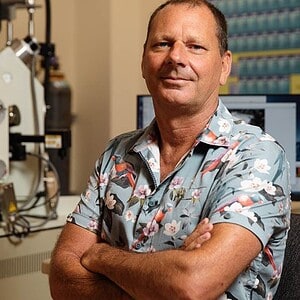
Prof Shane Cronin
-
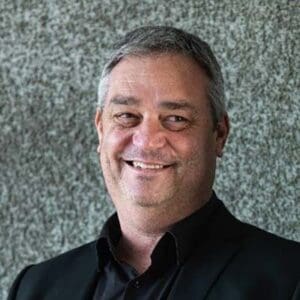
Prof Jonathan Procter
-
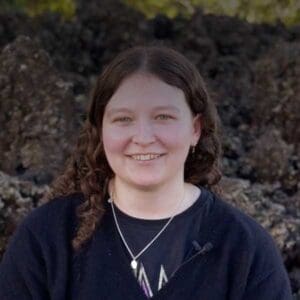
Annahlise Hall
-
Thomas Stollberger
-
Meegan Soulsby
Meet Graham
Steering group
The DEVORA Steering Committee guides the project’s direction and decision-making. It is the vehicle through which participants manage their relationship with the DEVORA Programme and oversee the delivery of the programme. The DEVORA Steering Committee meets with the DEVORA management team twice a year.
-
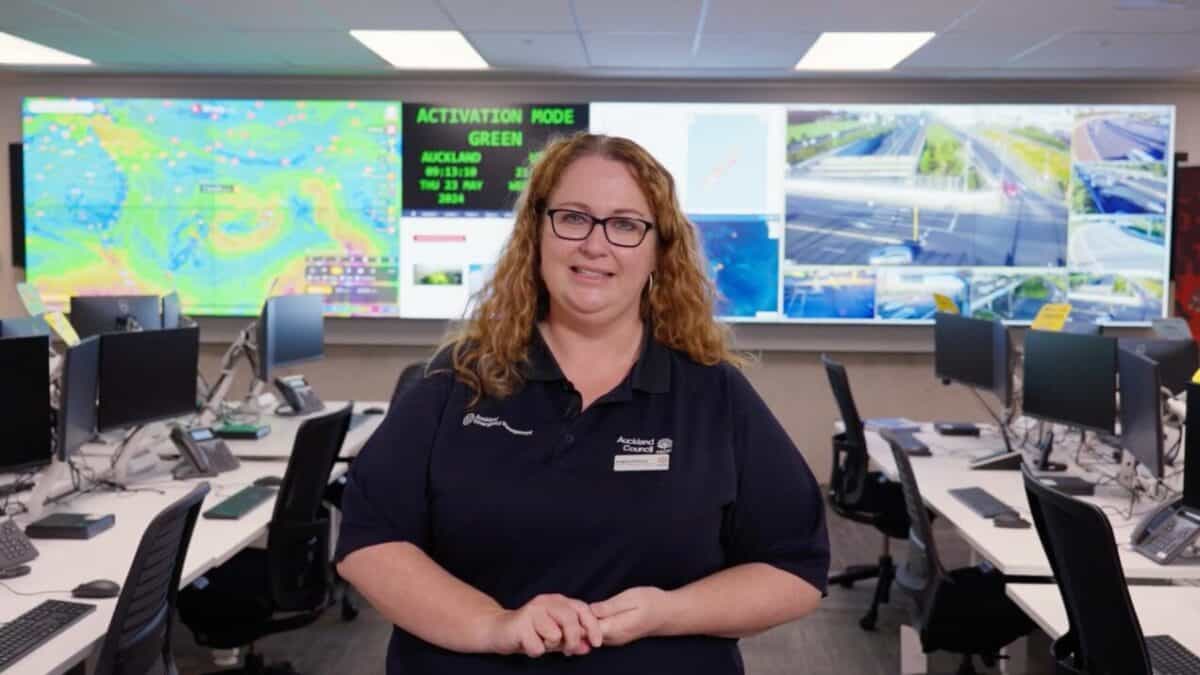
Angela Doherty
-
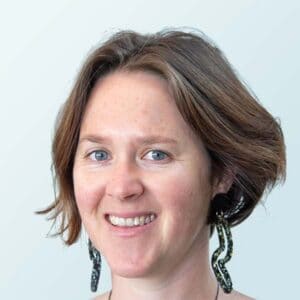
Delia Tamsen
-
Gill Jolly
-
Natalie Balfour
-
Rebekah McLelland
-
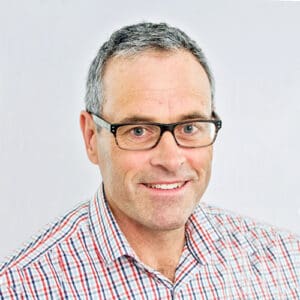
Richard Smith
-
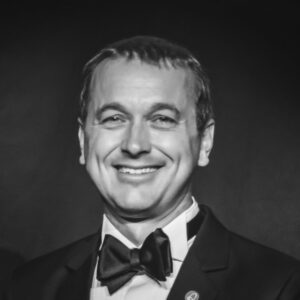
Ross Roberts
Meet Angela
Current researchers
-
Carol Stewart
-
James White
-
Jenni Hopkins
Meet Annahlise
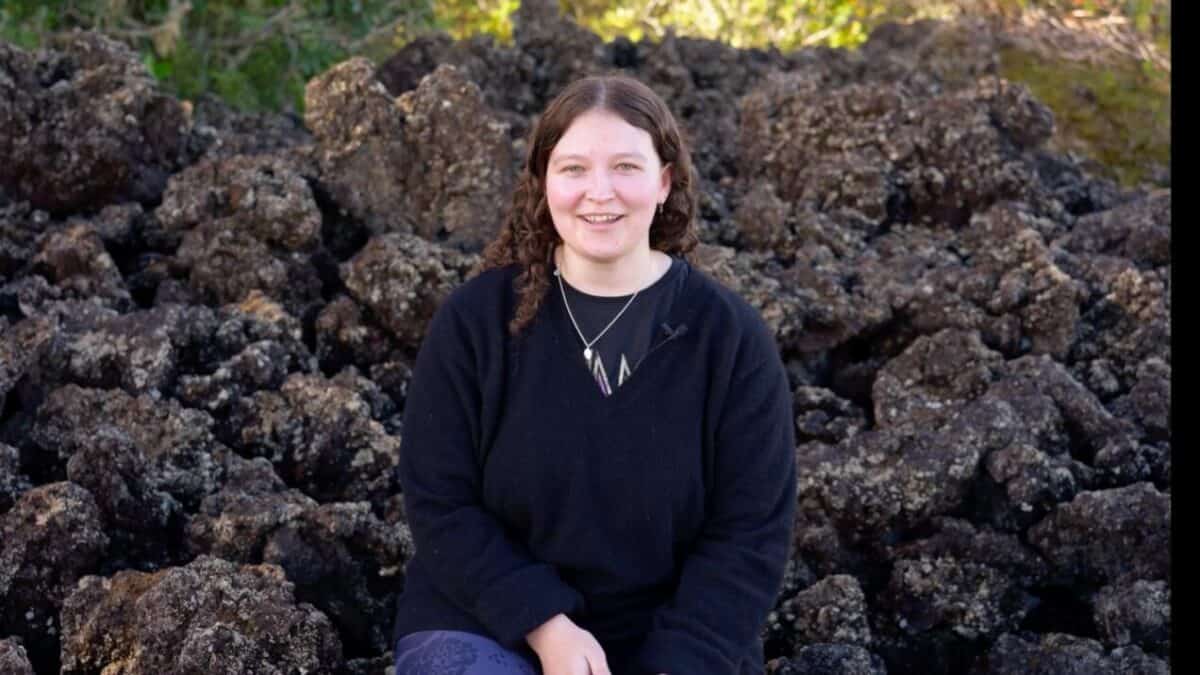
Meet Thomas
Current students
-
Gemechu Teferi, PhD
Phreatomagmatism and base surge hazard in the Auckland Volcanic Field
Auckland
-
Sylvia Tapuke, PhD
The Mātauranga Māori-volcanology interface in the AVF
Auckland
-
April Foote, PhD
Interplay between environmental & magmatic conditions in eruption style transitions
Macquarie
-
Aisling Kerr, PhD
Fire following lava flows in the Auckland Volcanic Field
Auckland
-
Meegan Soulsby, PhD
Auckland
-
Joshua Coker, PhD
University of Adelaide
Post-graduate students and alumni
This is a list of past and present graduate student researchers supported either fully or in part by the DEVORA Programme.
-
Alutsyah Luthfian, PhD
Geophysical study on monogenetic volcano architecture, and role of basement structure
Auckland
2026
-
Elaine Smid, PhD
Magmatic Volatiles from Source to Surface in the AVF
Auckland
2026
-
Aisling Kerr, MSc
Fire following lava flows in the Auckland Volcanic Field
Auckland
2025
-
Holly Faulkner, PhD
Governing Disaster Response in Aotearoa New Zealand - An AVF Case Study
Canterbury
2025
-
Jaxon Ingold, MSc
Geospatial Characterisation and Prediction of Lava Caves in the Auckland Volcanic Field
Auckland
2024
-
Rubie Court, BSc (Hons)
Recent Approaches to Volcanic Crisis Communication using Hazard Maps: Insights for the AVF
Auckland
2024
-
Alec Wild, PhD
Quantitative modelling approaches for volcanic crisis management
Auckland
2023
-
Boglarka Nemeth, PhD
A new approach to volcanic geoheritage assessment in the AVF
Massey
2023
-
Jaxon Ingold, BSc (Hons)
Transdisciplinary characterization of lava caves in Auckland
Auckland
2023
-
Shaurya Sood, PhD
Geotechnical characterisation of air-fall tephras for land reclamation purposes
Canterbury
2023
-
Sienna Brody-Heine, MSc
Regional and local scale SO₂ dispersion modeling of an eruption scenario in the AVF
Canterbury
2022
-
Nicole Allen, PhD
Multi-volcanic hazard impact assessment for residential buildings in the AVF
Canterbury
2021
-
Josiah Ensing, PhD
Multi-component ambient seismic noise tomography of the AVF
Auckland
2020
-
Leonie Peti, PhD
High-resolution composite stratigraphy and multi-method dating of Auckland maar sediment records spanning the Last Glacial Interval
Auckland
2020
-
Sophia Tsang, PhD
Auckland
2020
-
Joshua Hayes, PhD
Clean-up and restoration of urban environments after volcanic eruption, opens in a new tab
Canterbury
2019
-
Pei Shan Ang, BSc (Hons)
Nanyang (Singapore)
2019
-
Rebecca Fitzgerald, PhD
Canterbury
2019
-
Robert Pickle, PhD
Auckland
2019
-
Valerie van den Bos, PhD
Climate change in northern NZ inferred from pollen and chironomid records of Auckland maars
Victoria
2019
-
Gugi Ganefianto, MSc
Seismic Travel Time Tomography of the Auckland Volcanic Field, opens in a new tab
Auckland
2018
-
Megan Ferguson, MSc
Auckland
2018
-
Caleb Gasston, MSc
A new method for mapping & modelling buried faults within the Auckland Region, opens in a new tab
Auckland
2017
-
Daniel Blake, PhD
Impacts of volcanic ash on surface transportation networks, opens in a new tab
Canterbury
2016
-
David Rhodé, MSc
Auckland
2016
-
Emily Kawabata, PhD
Statistical methods for estimating tephra source and dispersal
Massey
2016
-
Sirini de Silva, BSc (Hons)
Eruptive history & land use of Puketutu Volcano, AVF
Auckland
2016
-
Caitlin Slabbert, BSc (Hons)
Eruption Scenario Development, Auckland Volcanic Field
Auckland
2015
-
Grant Wilson, PhD
Vulnerability of critical infrastructure to volcanic hazards, opens in a new tab
Canterbury
2015
-
Heather Craig, PhD
Agricultural vulnerability to tephra fall impacts
Canterbury
2015
-
Javier Augustin-Flores, PhD
The role of substrate hydrogeology and surface hydrology in the construction of phreatomagmatic volcanoes on an active monogenetic field
Massey
2015
-
Jenni Hopkins, PhD
New Perspectives on the Chronostratigraphy and Magmatic Evolution of the AVF
Victoria
2015
-
Rebecca Green, PhD
Statistical methods for assembling and incorporating volcanic records in hazard estimation
Massey
2015
-
Gabor Kereszturi, PhD
Approaches to forecast volcanic hazard in the AVF
Massey
2014
-
Joshua Hayes, MSc
Canterbury
2014
-
Nicolas LeCorvec, PhD
Auckland
2013
-
Vipal Govind, BSc (Hons)
The Puhinui Craters: Gravity and magnetic surveying of newly discovered volcanic centres within the Auckland Volcanic Field
Auckland
2013
-
Aleksandra Zawalna-Geer, PhD
Auckland
2012
-
Marco Brenna, PhD
Geological evolution and magmatic models for distributed volcanism, Jeju Island, Republic of Korea
Massey
2012
-
Megan Peters, MSc
Temporal impacts of volcanic ash in freshwater systems
Canterbury
2012
-
Yi (Carol) Tan, MSc
Auckland
2012
-
Grant Wilson, MSc
Ash, Gas and Computers: the vulnerability of laptop computers to volcanic hazards
Canterbury
2011
-
Rory Murray, MSc
A geophysical investigation of volcanic deposits and paleotopography in the Auckland Isthmus
Auckland
2010
-
Andrew Needham, MSc
The eruptive history of Rangitoto Island, AVF, New Zealand
Auckland
2009
-
Caroline Ashenden, MSc
A velocity model for Auckland, using seismic & complimentary methods
Auckland
2009
-
Jeremy Eade, MSc
Petrology and correlation of lava flows from the central part of the AVF
Auckland
2009
-
Kristen Chislett, MSc
Lava flow modeling of young basaltic flows in Northland, New Zealand
Auckland
2009
-
Robert Constantinescu, MSc
Probabilistic eruption forecasting in the Auckland Volcanic Field
Babeș-Bolyai (Romania)
2008